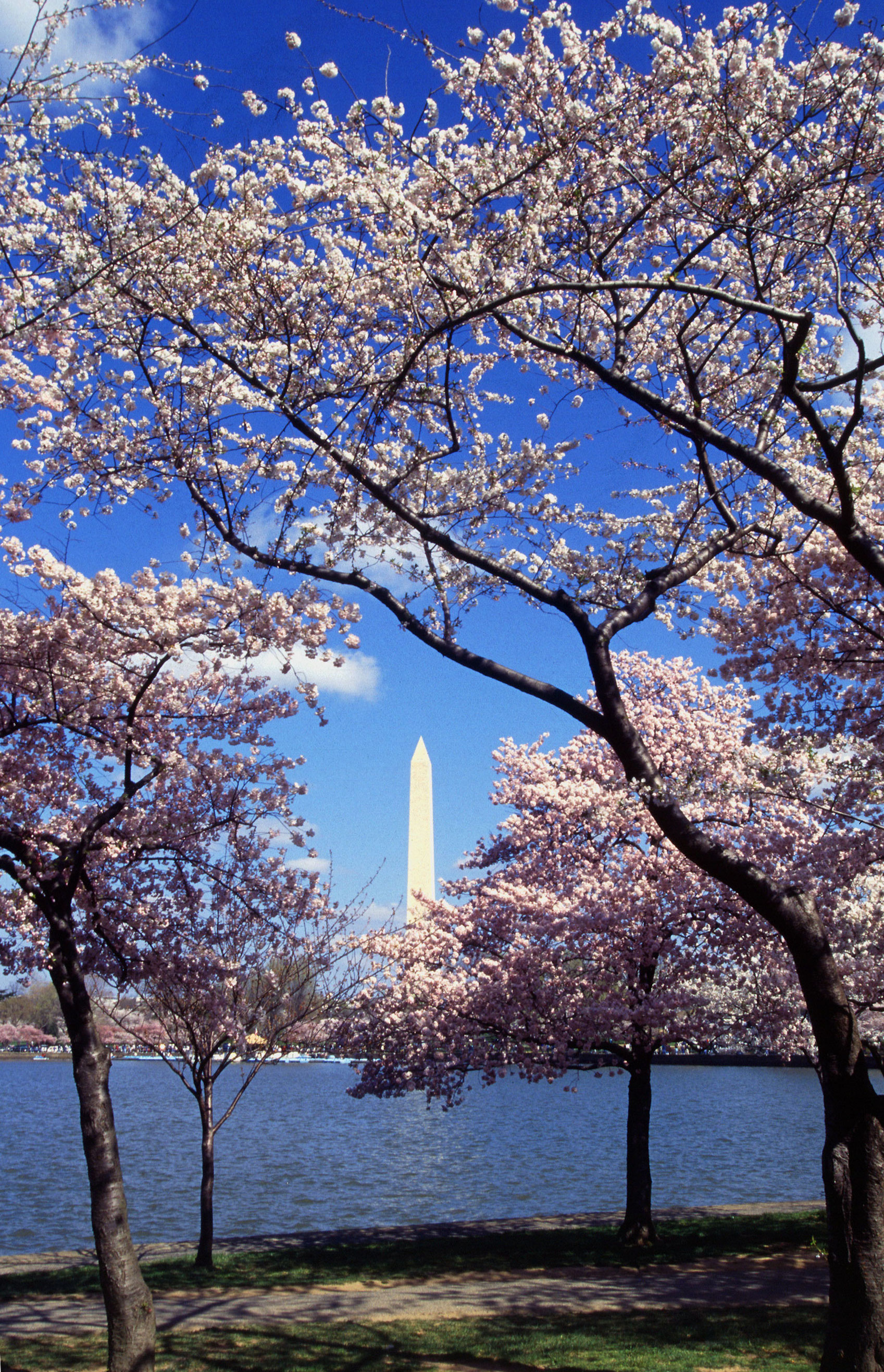
Washington D.C. skyline
Photo: Another Believer · CC BY-SA 3.0

Travel guide

Things to Do in Washington D.C.: The Ultimate Guide to the Nation's Capital

Discover the best things to do in Washington D.C., from the National Mall and Smithsonian museums to Georgetown, half-smokes, jazz on U Street, and hidden neighborhood gems.

Last updated January 2026

Coordinates
38.90° N, 77.04° W
Best season
Mar – May · Sep – Nov
Language
English
Currency
US Dollar (US$)
Time zone
EST (UTC−5)

Few American cities pack as much history and power into a walkable footprint as Washington D.C., and figuring out the best things to do in Washington D.C.

can feel overwhelming when world-class museums, marble monuments, seats of government, and leafy waterfront neighborhoods all compete for your attention.

The best of the city rewards curiosity: you can spend a morning wandering the free Smithsonian galleries on the National Mall, an afternoon touring the Capitol and the memorials, and an evening chasing half-smokes on U Street or Ethiopian food in Shaw.

This is a city built on big ideas and bigger institutions, and it wears both proudly.

What makes Washington D.C. special is how distinct its neighborhoods are.

The monumental core of the Mall gives way to the cobblestones of Georgetown, the buzz of Adams Morgan, the fountains of Dupont Circle, the row houses of Capitol Hill, and the live music of the U Street Corridor.

Rock Creek Park and the Potomac and Anacostia rivers thread green space and water through it all, so nature is never far from the marble.

You can visit some of the finest museums on earth for free, catch a Nationals game a short Metro ride from downtown, or ride the rails straight through the heart of the capital.

This guide is built to be comprehensive, whether you have a rainy afternoon, a family weekend, a romantic getaway, or a full week to explore. We break Washington D.C.

down by mood and traveler, fun, free, family-friendly, adults-only, romantic, nightlife, and rainy-day picks, then move through the seasons and the neighborhoods so you can build an itinerary that actually fits how you like to travel.

The Best of Washington D.C.

🎟️GetYourGuide / Viator, book tours & tickets. Affiliate slot (stub).
12 places on the map · tap a pin for details
The National Mall & Washington Monument

📍 National Mall

The National Mall & Washington Monument

The nation's civic front yard stretches roughly two miles from the Capitol to the Lincoln Memorial, lined with monuments, museums, and open lawns. At its center rises the 555-foot Washington Monument, the tallest structure in the city, whose observation level offers sweeping views down the axis of L'Enfant's plan. The Mall is free and endlessly walkable, best explored on foot or by bike. Come at dawn for empty paths or at dusk when the marble memorials glow. Timed tickets for the monument are free but go fast.

📍 View on Google Maps →
Lincoln Memorial

📍 West Potomac Park

Lincoln Memorial

Daniel Chester French's colossal seated Abraham Lincoln gazes down the Reflecting Pool from within a Greek temple of Colorado marble, its walls inscribed with the Gettysburg Address and Second Inaugural. This is the emotional heart of the Mall, the spot where Marian Anderson sang in 1939 and Dr. King delivered 'I Have a Dream' in 1963, marked today by an engraving on the steps. It's free and open around the clock. Visit after dark, when the illuminated statue and the mirrored pool make for the city's most stirring nighttime view.

📍 View on Google Maps →
United States Capitol & Grounds

📍 Capitol Hill

United States Capitol & Grounds

The cast-iron dome crowning Capitol Hill is the symbolic center of American democracy and the point from which the city's quadrants radiate. Free timed-entry tours from the underground Visitor Center lead through the Rotunda, beneath the fresco of the 'Apotheosis of Washington,' and into Statuary Hall. You can also request gallery passes to watch the House or Senate in session. The Frederick Law Olmsted grounds are lovely for a stroll, and the West Front lawn frames a classic view back down the Mall.

📍 View on Google Maps →
Smithsonian National Air and Space Museum

📍 National Mall

Smithsonian National Air and Space Museum

One of the most visited museums on Earth, it hangs the Wright brothers' 1903 Flyer, Lindbergh's 'Spirit of St. Louis,' and the 'Apollo 11' command module Columbia beneath one roof. Recently reopened after a top-to-bottom renovation, its galleries trace flight from myth to the Moon and beyond. Admission is free but requires a timed-entry pass in peak seasons. Space fans should also plan a day trip to the companion Udvar-Hazy Center near Dulles, home to a Space Shuttle and an SR-71 Blackbird.

📍 View on Google Maps →
Smithsonian National Museum of Natural History

📍 National Mall

Smithsonian National Museum of Natural History

Enter beneath the great African bush elephant in the rotunda and you're in one of the world's premier natural-history collections. Highlights include the 45.52-carat Hope Diamond, a soaring hall of dinosaur skeletons, an insect zoo, and a living butterfly pavilion. It's a reliable rainy-day fix and a favorite with families, all of it free. Admission is free, though some special exhibitions and the butterfly room carry a small fee. Budget a few hours and start early, as the ground-floor gem and mineral hall draws crowds by midday.

📍 View on Google Maps →
National Gallery of Art

📍 National Mall

National Gallery of Art

Not a Smithsonian but gifted to the nation, this free museum ranks among the finest art institutions anywhere. The neoclassical West Building holds the only Leonardo da Vinci painting in the Americas, Ginevra de' Benci, alongside deep holdings of Vermeer, Rembrandt, and the French Impressionists. I.M. Pei's angular East Building showcases modern masters, and an underground concourse links the two past a moving-walkway light installation. Above ground, the Sculpture Garden offers a summer fountain and winter ice rink. Free and endlessly rewarding for a half day.

📍 View on Google Maps →
National Museum of African American History and Culture

📍 National Mall

National Museum of African American History and Culture

David Adjaye's bronze-clad, three-tiered corona is the newest Smithsonian on the Mall and among the most powerful museum experiences in the country. Visitors descend into subterranean History Galleries that trace slavery and segregation before rising through soaring floors celebrating music, sports, and culture. Admission is free, but timed-entry passes are essential and often booked well ahead. Give yourself at least half a day; the emotional arc from the depths back up into the light is the whole point. Don't miss the contemplative court and its cascading water.

📍 View on Google Maps →
The White House & Lafayette Square

📍 President's Park

The White House & Lafayette Square

The executive residence at 1600 Pennsylvania Avenue has housed every president since John Adams. Self-guided interior tours are free but must be requested months ahead through a member of Congress or an embassy. Most visitors simply photograph the North Portico from Pennsylvania Avenue or the South Lawn from the Ellipse. Across the street, Lafayette Square offers a leafy pause, and the nearby White House Visitor Center runs free exhibits on the building's history. Combine it with a walk to the Renwick Gallery and the Eisenhower Executive Office Building.

📍 View on Google Maps →
Tidal Basin & the Cherry Blossoms

📍 West Potomac Park

Tidal Basin & the Cherry Blossoms

This man-made inlet off the Potomac is ringed by a paved loop and framed by roughly 3,000 Japanese cherry trees, a 1912 gift from Tokyo that bursts into pink each spring. Peak bloom, usually late March into early April, draws crowds for the National Cherry Blossom Festival, but the basin rewards a visit any season. Rent a paddleboat, watch the sunrise behind the Jefferson Memorial, and circle past the FDR and Martin Luther King Jr. memorials on the shore. Free and flat, it's one of the city's loveliest walks.

📍 View on Google Maps →
Thomas Jefferson Memorial

📍 Tidal Basin

Thomas Jefferson Memorial

A domed rotunda modeled on the Pantheon and inspired by Jefferson's own Monticello sits across the Tidal Basin from the Mall, sheltering a 19-foot bronze of the third president. Passages from the Declaration of Independence line the interior walls. It's free and open at all hours, and the columned porch offers a postcard view straight across the water to the Washington Monument and White House. It's especially magical at sunrise during cherry-blossom season, when the trees frame the marble in pink. A quiet, contemplative stop away from the busiest crowds.

📍 View on Google Maps →
Library of Congress

📍 Capitol Hill

Library of Congress

The largest library in the world occupies a Gilded Age masterpiece behind the Capitol. The 1897 Thomas Jefferson Building is the star, its Great Hall a riot of marble, mosaic, and gold leaf, with the octagonal Main Reading Room viewable from an overlook. Free timed-entry passes are now required for the exhibitions, which display a Gutenberg Bible and Jefferson's original library. Take the underground tunnel to the Capitol or across to the Supreme Court. Free guided tours help you decode the building's dense allegorical art and inscriptions.

📍 View on Google Maps →
Arlington National Cemetery

📍 Arlington, Virginia

Arlington National Cemetery

Just across the Potomac, the nation's most hallowed military cemetery blankets 639 hillside acres with more than 400,000 graves. The Tomb of the Unknown Soldier is guarded around the clock, its changing-of-the-guard ceremony a solemn draw. Visit the eternal flame at John F. Kennedy's grave and climb to Arlington House for a commanding view back across the river to the Mall. Entry is free; a paid tram helps with the hilly terrain. It's reachable by Metro. Come with a respectful, quiet mindset; this is an active cemetery.

📍 View on Google Maps →
Georgetown

📍 Georgetown

Georgetown

The city's oldest neighborhood predates the capital itself, its cobblestone side streets lined with Federal rowhouses and its M Street and Wisconsin Avenue corridors packed with shops, restaurants, and cupcake bakeries. Stroll the leafy towpath along the restored Chesapeake and Ohio Canal, wander the Georgetown University campus, or relax on the waterfront overlooking the Potomac. The gardens at Dumbarton Oaks are a hidden gem. There's no Metro stop, so arrive on foot, by bus, or via the Rock Creek trails. It's most atmospheric on a crisp autumn afternoon.

📍 View on Google Maps →
Smithsonian's National Zoo

📍 Woodley Park

Smithsonian's National Zoo

Set on 163 wooded acres in Rock Creek Park, this free Smithsonian zoo is best known for its giant pandas, whose return in 2024 renewed a decades-long conservation partnership with China. Beyond the pandas you'll find Asian elephants, big cats, great apes on the O-line overhead trail, and a sprawling Amazonia rainforest habitat. Admission is free, though you must reserve a timed-entry pass and pay for parking. The main path runs downhill from the Connecticut Avenue entrance, so plan the uphill return. It's an easy Metro ride from downtown.

📍 View on Google Maps →
The War Memorials

📍 National Mall

The War Memorials

Clustered around the Reflecting Pool, a trio of moving tributes honors those who served. Maya Lin's Vietnam Veterans Memorial, a polished black granite wall inscribed with more than 58,000 names, descends into the earth and remains one of the most affecting sites in the city. Nearby, the Korean War Veterans Memorial fields ghostly stainless-steel soldiers, and the World War II Memorial rings a plaza of fountains and state pillars. All are free and open at all hours. They are most powerful and least crowded after dark, softly lit.

📍 View on Google Maps →
United States Holocaust Memorial Museum

📍 Southwest

United States Holocaust Memorial Museum

Just off the Mall, this searing, deeply researched museum tells the story of the Holocaust through personal artifacts, survivor testimony, and a permanent exhibition that follows the rise of Nazism to the death camps and liberation. Each visitor receives an identification card of a real person whose fate unfolds as you ascend. Admission is free, but timed passes are required for the main exhibition in peak months. It is intense and not recommended for young children. Reserve at least two hours and pause in the Hall of Remembrance.

📍 View on Google Maps →
Union Station

📍 Capitol Hill

Union Station

This 1907 Beaux-Arts railroad cathedral is a destination in its own right, its barrel-vaulted Main Hall coffered in gold leaf and lined with allegorical statues. Still a working Amtrak and Metro hub, it also holds shops and a food hall beneath soaring ceilings. Step outside to admire the Columbus Fountain and the view straight up to the Capitol dome. It's free to wander and a graceful place to start or end a rail journey. Restoration work is ongoing, but the grand concourse remains one of the city's great interiors.

📍 View on Google Maps →
Smithsonian American Art Museum & National Portrait Gallery

📍 Penn Quarter

Smithsonian American Art Museum & National Portrait Gallery

Two free Smithsonian museums share the elegant Old Patent Office Building, one of Washington's oldest public buildings. The American Art Museum spans folk art to the electric neon of the Kogod Courtyard, while the National Portrait Gallery hangs 'America's Presidents,' including Kehinde Wiley's celebrated portrait of Barack Obama. The glass-canopied courtyard between them is a serene spot for coffee. Admission is free, and both stay open later than the Mall museums. It's an ideal downtown pairing on a hot or rainy afternoon, steps from the Gallery Place Metro.

📍 View on Google Maps →
Eastern Market

📍 Capitol Hill

Eastern Market

The last of the city's grand 19th-century public markets still hums behind Capitol Hill. Inside the 1873 South Hall, butchers, bakers, and cheesemongers hold court; the beloved lunch counter serves a famous blueberry-buckwheat pancake breakfast on weekends. Saturdays and Sundays bring outdoor farmers and a sprawling arts-and-crafts flea market to the surrounding blocks. It's a genuine neighborhood institution rather than a tourist trap, and admission is free. Come hungry on a weekend morning, then wander the pastel rowhouses of the surrounding historic district toward Barracks Row's restaurants.

📍 View on Google Maps →
Washington National Cathedral

📍 Cleveland Park

Washington National Cathedral

The sixth-largest cathedral in the world took 83 years to build and was completed only in 1990, yet its soaring Gothic nave, flying buttresses, and 231 stained-glass windows feel timeless. Look for the whimsical Darth Vader grotesque high on the northwest tower and a fragment of moon rock embedded in the Space Window. It's a functioning Episcopal cathedral that has hosted state funerals. Admission is charged on weekdays for tourism, with tower climbs and organ demonstrations available. The hilltop gardens, the Bishop's Garden especially, are a tranquil bonus.

📍 View on Google Maps →
The Wharf

📍 Southwest Waterfront

The Wharf

This mile-long redeveloped waterfront along the Washington Channel has become one of the city's liveliest gathering spots, lined with restaurants, live-music venues, piers, and floating docks. Grab a drink by the fire pits, catch a ferry across to East Potomac Park, or paddle a kayak past the marina. Just up the boardwalk sits the Municipal Fish Market, the oldest continuously operating open-air fish market in the country, still selling crabs and oysters off the docks. It's free to stroll and buzzes on warm evenings, an easy walk from the Mall.

📍 View on Google Maps →
U Street Corridor

📍 U Street

U Street Corridor

Once known as 'Black Broadway,' this historic corridor was the heart of Black cultural life in the early 20th century, home turf of native son Duke Ellington. Today it blends that legacy with a vibrant nightlife of live-music clubs, bars, and murals. Line up at Ben's Chili Bowl, a civil-rights-era institution, for a half-smoke, the city's signature sausage. Catch a show at the restored Lincoln Theatre or the 9:30 Club nearby. It's an easy Metro stop from downtown and a lively counterpoint to the monumental core, best experienced after dark.

📍 View on Google Maps →

Fun Things to Do in Washington D.C.

The most fun things to do in Washington D.C. lean into the city's mix of monumental grandeur and neighborhood energy, blending world-class culture with pure good times.

This is a place where you can paddle a boat past the cherry trees on the Tidal Basin, cheer in a packed ballpark, catch a free show at the nation's arts center, and eat a half-smoke loaded with chili, sometimes all in one day.

The fun here isn't manufactured; it grows out of a city that takes its museums, food, sports, and festivals seriously.

Whether you want a golden-hour spin around the memorials, a rowdy night in a historic music hall, or a leafy street festival with live bands and food trucks, Washington overflows with options.

These picks span the marquee attractions everyone should try once and the quirkier experiences that turn a trip into a story worth telling.

  • Paddle the Tidal Basin in a rented boat

    Rent a paddle boat and glide across the water ringed by the Jefferson Memorial and, in spring, thousands of blooming cherry trees. It's a relaxing, crowd-pleasing thrill for all ages, and the memorials glow especially beautifully at golden hour.

  • Ride to the top of the Washington Monument

    Take the elevator 500 feet up the tallest structure in the city and look out through small windows over the Mall, the White House, and the Capitol. It's a genuine perspective moment and an unbeatable free view. Book timed tickets in advance, as they go fast.

  • Take a monuments-by-night walking tour

    Ninety minutes on foot with a guide unpacking the memorials after dark is both moving and fascinating. The Lincoln, Vietnam, and Korean War memorials are hushed and dramatically lit at night. It's consistently rated among the city's best single activities.

  • Catch a Nationals or Capitals game

    Baseball at Nationals Park along the Anacostia or a hockey night at Capital One Arena is pure D.C. energy. Even non-fans get swept up in the Racing Presidents, the ballpark food, and the buzz that spills into the surrounding bars afterward.

  • See a free show at the Kennedy Center

    The Millennium Stage inside the nation's performing arts center offers free performances, and the rooftop terrace delivers sweeping river views. It's affordable, high-energy fun, and you can pair it with a stroll along the Georgetown waterfront for a great night out.

  • Eat a half-smoke and local eats

    Sink into a chili-topped half-smoke at Ben's Chili Bowl on U Street, a decades-old institution, then track down Ethiopian injera nearby. Food here is an activity in itself and a delicious way to trace the city's neighborhoods.

  • Kayak the Potomac River

    Paddle from Georgetown out toward the memorials on a guided or rental kayak tour. Seeing the monuments and the arching bridges from water level is a thrilling and surprisingly serene perspective. Summer twilight tours are especially memorable.

  • Explore the Smithsonian museums

    The world's largest museum complex packs air and space craft, dinosaur halls, and priceless art, all free to enter. It's unabashedly enriching fun, best enjoyed by picking one or two favorites rather than trying to see everything in a day.

  • Bike the Mount Vernon Trail

    Rent a Capital Bikeshare and cruise miles of car-free path along the Potomac past Reagan National, marina views, and skyline vistas. It's exhilarating, free-flowing fun and covers a lot of ground, letting you string parks and overlooks together in an afternoon.

  • Bar-hop U Street and Shaw

    These historic neighborhoods brim with craft-cocktail bars, live jazz, vintage shops, and global eats. A self-guided crawl here shows off D.C.'s creative, laid-back side far from the tourist core. The 9:30 Club anchors the area for legendary live shows.

  • Wander Eastern Market and Capitol Hill

    This 1873 public market bustles on weekends with produce stalls, blueberry buckwheat pancakes, and an outdoor flea market of crafts and antiques. Strolling the surrounding rowhouse streets is a charming, low-key way to feel like a local.

Free Things to Do in Washington, D.C.

There are more free things to do in Washington, D.C. than most visitors realize, and some of the capital's very best experiences never cost a dime.

The city's public realm is extraordinary: a National Mall that belongs to everyone, monuments and memorials open around the clock, the free-admission Smithsonian museums, and neighborhoods whose markets and waterfronts are open-air gathering places.

Washington has long championed accessible culture, from the free Smithsonian Folklife Festival on the Mall to a national zoo that has never charged admission.

The National Gallery of Art and the Library of Congress open their grand interiors at no cost, and many institutions offer free timed-entry passes worth planning your visit around.

Whether you're traveling on a budget or simply want to feel the city's rhythm without a ticket, these picks prove that the soul of Washington, its monuments, its museums, its parks, its neighborhoods, is remarkably free to enjoy.

Here are more than a dozen ways to experience the city for nothing.

  • The National Mall & its monuments

    Walk the two-mile greensward from the Capitol to the Lincoln Memorial, passing the Washington Monument and the reflecting pool along the way. The memorials are open and free at all hours, and they're especially moving after dark when they're softly lit.

  • The Smithsonian museums

    Nearly every Smithsonian, from the National Air and Space Museum to the National Museum of Natural History and the National Museum of American History, is free to enter. Between them they hold dinosaurs, the Hope Diamond, and the original Star-Spangled Banner.

  • The National Gallery of Art

    This world-class collection is free every day, spanning da Vinci and Vermeer in the West Building to modern masters and a sculpture garden in the East. It's one of the finest free art experiences anywhere in the country.

  • Smithsonian's National Zoo

    One of the only free major zoos in America, home to great apes, big cats, and its famous giant pandas in the leafy hills of Rock Creek Park. Pop in for an hour or linger all afternoon; there's never an admission charge.

  • The Library of Congress

    Marvel at the opulent Thomas Jefferson Building, one of the most beautiful interiors in Washington, with its soaring Great Hall and domed Main Reading Room. Free timed passes let you see Gutenberg Bibles and rotating exhibitions.

  • The Tidal Basin & cherry blossoms

    Stroll the water's edge past the Jefferson, FDR, and Martin Luther King Jr. memorials, spectacular in late March and early April when thousands of cherry trees bloom. Walking the loop costs nothing and is quintessential Washington.

  • The United States Botanic Garden

    This free glasshouse beside the Capitol offers a lush, humid escape year-round, with a soaring jungle room and a desert house of cacti. It's a serene, photogenic refuge, especially magical on a cold or rainy day.

  • Kenilworth Park & Aquatic Gardens

    This free National Park Service oasis in Northeast D.C. bursts with water lilies and sacred lotus in high summer, when the ponds are at their most photogenic. Boardwalks lead out over the marsh for a peaceful, no-cost morning.

  • Eastern Market & Capitol Hill

    Wander the historic 1873 public market for its food stalls and weekend arts-and-crafts vendors, then explore the pastel rowhouses of Capitol Hill. Browsing costs nothing, and it's one of the most atmospheric neighborhoods to walk.

  • The U.S. Capitol

    Free tours take you beneath the great cast-iron dome and through the historic Rotunda and old chamber. Book a timed pass in advance, and pair it with a stroll around Frederick Law Olmsted's landscaped Capitol grounds.

  • Georgetown & the C&O Canal

    Window-shop the cobblestone streets of M Street, then drop down to the towpath of the Chesapeake and Ohio Canal or the Georgetown Waterfront Park. Walking the historic canal and riverfront is free and endlessly scenic.

  • The National Arboretum

    This free, 446-acre landscape in Northeast D.C. is famous for its bonsai museum and the surreal National Capitol Columns standing in an open meadow. Spring azaleas and autumn color make it a peaceful escape from the crowds downtown.

  • Explore the city by Metro

    While the fare isn't free, riding the Metrorail through the city and out to different neighborhoods is a cheap, easy way to get around. The vaulted, coffered concrete stations are a piece of 1970s architecture in their own right.

  • The Bureau of Engraving and Printing

    Take a free tour to watch millions of dollars in currency being printed just off the Mall. Reserve a timed ticket in peak season; it's a genuinely memorable behind-the-scenes look at how U.S. money is made.

  • Rock Creek Park

    This vast urban forest threads right through the heart of Washington, with miles of free trails, a historic mill, and quiet creekside picnic spots. It's a leafy, no-cost retreat that feels miles from the monuments.

Things to Do in Washington, D.C. with Kids (Family-Friendly)

Finding things to do in Washington, D.C. with kids is refreshingly easy, because the nation's capital was built around a grand public commons and a network of Smithsonian museums that welcome families for free.

The National Mall alone could fill a long weekend, with dinosaurs, rockets, and a carousel within walking distance of one another.

Add a free zoo, hands-on discovery museums, paddle boats on the Tidal Basin, and wide-open lawns for running, and you have a destination that keeps kids engaged and parents relaxed.

The city's clean, easy Metro means you can often skip the car, and the food scene is famously kid-friendly, from half-smokes at Ben's Chili Bowl to Georgetown cupcakes.

Many of the best family attractions cost nothing, and the compact core means you're rarely far from a park bench, a bathroom, or a snack. These picks balance blockbuster museums with active, outdoor fun so every age finds something to love.

  • Smithsonian National Museum of Natural History

    The dinosaur-filled Deep Time hall, the sparkling Hope Diamond, and a live insect zoo make this a guaranteed hit. The giant right whale hanging in the Ocean Hall awes little ones. Admission is free, so you can dip in and out at a kid's pace.

  • Smithsonian National Air and Space Museum

    Standing beneath real spacecraft and touching a piece of the Moon thrills kids of every age, and the renovated galleries make flight tactile and hands-on. It's a full, weatherproof day of discovery right on the Mall.

  • Smithsonian's National Zoo

    Free admission means low pressure, and the giant pandas, lions, and elephants along the Olmsted Walk keep short attention spans engaged. The Kids' Farm lets little ones get close to goats and cows without spending a dime.

  • National Museum of American History

    The Star-Spangled Banner and the First Ladies' gowns anchor the grown-up side, while the Wonderplace gallery gives under-sixes a hands-on space of their own. Ride the classic ice cream counter on the lower level for a break.

  • National Building Museum

    The soaring Great Hall with its colossal columns feels like a castle, and the Building Zone lets toddlers stack, roll, and construct to their hearts' content. Older kids love the seasonal installations that transform the space each year.

  • International Spy Museum

    Kids adopt a secret cover identity, crawl through an air duct, and test their tradecraft in interactive missions. The gadgets and disguises make history playful, and it's a top choice for a rainy family afternoon near L'Enfant Plaza.

  • Tidal Basin paddle boats

    Rent a pedal boat and glide past the Jefferson Memorial with the whole family working the pedals. It's a gentle, memorable outing, and the cherry blossoms in spring make the water framing unforgettable.

  • Albert Einstein Memorial

    This oversized bronze statue was practically built for climbing, and kids clamber into Einstein's lap for a favorite family photo. It's a quick, free stop tucked beside the National Academy of Sciences near the Mall.

  • Ride the Metro

    For many kids, the vaulted concrete stations and the rumble of the trains are a thrill in itself. A short ride across the Potomac doubles as sightseeing and a beloved memory of the trip.

  • Smithsonian Carousel on the National Mall

    This vintage carousel spinning in front of the Smithsonian Castle is a low-cost, low-key delight between museum visits. Grab a ride, then let kids run on the surrounding lawn to burn off energy.

  • United States Botanic Garden

    The Children's Garden and the towering jungle canopy make this free glasshouse a gentle, weatherproof outing beside the Capitol. Kids love the trickling waterfalls and the room to explore at a toddler's pace.

Things to Do in Washington, D.C. for Adults

The best things to do in Washington, D.C. for adults tap into a capital that has quietly become one of the country's most sophisticated cities, whether your idea of a great day involves a chef's tasting menu, a speakeasy cocktail, a go-go show, or a quiet gallery. D.C.'

s dining scene has earned serious national acclaim, spanning Michelin-starred rooms and unpretentious neighborhood institutions from every corner of the globe.

Its bar culture runs deep, from historic taverns to hidden cocktail dens along 14th and U Streets, and its homegrown music heritage, go-go, jazz, punk, and a stubborn indie scene, plays out live nearly every night.

Beyond food and drink, adults can lose themselves in world-class theater, comedy, and monumental architecture, or spend an afternoon touring breweries and distilleries in Ivy City and Navy Yard.

This is a city that lets grown-ups indulge without pretense: the luxury feels earned, the dive bars feel authentic, and the cultural offerings are genuinely world-class. These picks are built for travelers who want depth, flavor, and a good night out.

  • Dine at a destination tasting menu

    Washington is now a genuine fine-dining powerhouse, home to Michelin-starred rooms like Minibar, Pineapple and Pearls, and Rose's Luxury. Reserve well ahead for a special-occasion meal, or explore the deep bench of acclaimed neighborhood spots for creative cooking at every price point.

  • Hunt for hidden cocktail bars

    The city's craft-cocktail scene rivals any in the country, with speakeasy-style rooms like Columbia Room and Allegory tucked behind unmarked doors and inventive bars across Shaw, 14th Street, and Adams Morgan. It's a rewarding scene for a night of unhurried, well-made drinks.

  • Catch live go-go and jazz on the scene

    Go-go is D.C.'s official music, a funk-driven sound born in the city, and clubs on U Street and beyond keep the tradition roaring. Squeeze into a small room, order a drink, and hear the homegrown grooves and jazz that shaped the capital's nightlife at their source.

  • Tour breweries in the beer corridor

    D.C.'s craft-beer scene is thriving, with taprooms clustered in Ivy City and Navy Yard. Spend an afternoon sampling flights at spots like Bluejacket and Right Proper, touring production floors, and hopping between neighborhood breweries known for everything from hazy IPAs to barrel-aged saisons.

  • See a show at Arena Stage or Woolly Mammoth

    D.C.'s theater tradition is fierce and intimate, from Tony-winning companies to scrappy experimental stages. Catching a play at Arena Stage, Woolly Mammoth, or the Shakespeare Theatre means sharp, actor-driven work in rooms where you feel every line, a very grown-up night out.

  • Explore 14th Street's Restaurant Row

    The 14th Street corridor in Logan Circle has transformed old auto showrooms into one of the city's hottest dining and nightlife strips. Graze between buzzy restaurants, wine bars, and rooftops in a single stylish evening, then wander over to Union Market for more.

  • Take a self-guided architecture deep-dive

    Beyond the monuments, adults can tour landmark interiors, Beaux-Arts embassies along Massachusetts Avenue, and Frank Lloyd Wright's Pope-Leighey House in nearby Alexandria. Washington is an open-air museum of American architecture for those who want to look closely.

  • Sip and stroll The Wharf at happy hour

    The wine bars and cocktail spots along The Wharf and the Georgetown Waterfront make for an ideal adult evening: a drink in hand, boats gliding past, the Potomac glowing at dusk. It's relaxed, scenic, and quintessentially D.C. in warm weather.

  • Jazz at a classic club

    From Blues Alley's tucked-away Georgetown room to intimate stages along the historic U Street corridor, D.C.'s jazz scene offers sophisticated late nights. Blues Alley in particular oozes history, hosting legends in a candlelit brick space that has anchored the city's jazz life for decades.

  • Gallery-hop and gamble at a riverside casino

    Browse contemporary galleries in Dupont Circle and Blagden Alley by day, then cross the river to try your luck at MGM National Harbor by night. It's an easy way to mix culture and a little grown-up thrill into one itinerary.

Romantic Things to Do in Washington D.C. for Couples

The most romantic things to do in Washington D.C. for couples make the most of the city's monumental grandeur, its tree-lined waterways, and its increasingly serious dining and cocktail scene.

There's something inherently cinematic about the capital at dusk, the way the marble monuments glow against a darkening sky, the way the Potomac and the Tidal Basin catch the last light, the way a rooftop bar frames the domes and spires of the whole federal city.

Couples can build an entire getaway around it: a sunset cruise on the river, a slow evening among the floodlit memorials, a candlelit dinner in a converted rowhouse, and a nightcap somewhere with a view.

Beyond the postcard moments, the city offers quieter romance too, from glasshouse strolls in the Botanic Garden to lazy afternoons by the water and gallery wanders on rainy days.

Whether you're celebrating an anniversary or simply escaping together, these picks blend the grand and the intimate to help you fall for the city, and each other, all over again.

  • Sunset cruise on the Potomac

    Board a late-afternoon boat from The Wharf or Georgetown and watch the monuments slide by as the sun drops behind the river. With a drink in hand and the water turning gold, it's an effortlessly romantic hour on the Potomac.

  • Cocktails at a skyline rooftop

    Toast the city from a rooftop bar as the lights come on across the district. D.C. has no shortage of stylish terraces; Top of the Gate at the Watergate and 12 Stories at the Intercontinental frame the river and the monuments at sunset.

  • Sunset from the Old Post Office Tower

    The clock tower's open-air observation level offers one of the best free panoramas in the city, especially dreamy at dusk. Ride up before closing and watch Pennsylvania Avenue, the Capitol, and the Mall light up beneath you.

  • Stroll the monuments after dark

    The floodlit Lincoln, Jefferson, and King memorials are genuinely magical when the crowds thin out. Circle the Tidal Basin hand in hand, pause at the water's edge, and watch the city lights ripple across the surface.

  • A quiet garden wander

    The United States Botanic Garden conservatory offers a warm, green, private-feeling refuge for a slow stroll together, especially lovely on a cold or rainy day when the glasshouses and the jungle room feel like a secret world.

  • Dinner and a show

    Pair an intimate dinner with a concert, ballet, or play at the Kennedy Center for a classic date night. Time it right and you can catch the free 6 p.m. Millennium Stage performance, then linger over the terrace view of the river.

  • Picnic by the Tidal Basin

    Spread a blanket beneath the cherry trees and watch the paddle boats drift past the Jefferson Memorial. It's a surprisingly serene, romantic escape, most spectacular during the spring bloom but lovely in any warm month.

  • Slow morning in the museums

    Wander the hushed galleries of the National Gallery of Art together before the crowds arrive. Lingering over the Impressionists, then resting by the fountain in the garden court, is a quiet, connecting kind of romance.

  • Ride the Capital Wheel at twilight

    Share an enclosed gondola on the Capital Wheel at National Harbor as the sky turns pink over the Potomac. Time it for a summer fireworks night across the water and you'll have a memory that sticks.

  • Wine bar hop on 14th Street

    The stylish, dimly lit wine bars of the 14th Street corridor are made for lingering conversation. Graze small plates, share pours, and let one intimate room lead you to the next up toward Logan Circle.

Things to Do in Washington D.C. at Night

The list of things to do in Washington D.C. at night is where the capital sheds its buttoned-up daytime reputation and trades museums and marble for music, lights, and late-night energy. D.C.'

s after-dark identity is built on its homegrown music scene, the go-go beat that was born here and named the city's official music, the jazz rooms along the historic U Street corridor once known as Black Broadway, the storied clubs that broke punk and indie acts, and the theaters both grand and intimate.

The monuments themselves become an attraction, glowing white above the Tidal Basin and best seen on a night walk across the National Mall.

Add a sharp comedy scene, free stages at the Kennedy Center, and neighborhoods like Adams Morgan, U Street, and The Wharf that hum until the small hours, and you have a city that rewards night owls.

Whether you want a raucous night out, a smoky jazz set, or a quiet cocktail with a view, Washington after dark has range. These picks capture the many moods of the city once the sun goes down.

  • Go-go, the city's homegrown groove

    Nothing says D.C. night like go-go, the percussive funk sound born in the District in the 1970s and now the official music of Washington. Catch a live band keeping the call-and-response tradition alive, an essential and unmistakably local after-dark experience.

  • Blues Alley jazz supper club

    This Georgetown institution has hosted the greats in an intimate brick room since 1965, complete with candlelit tables and serious sightlines to the stage. Its old-school glamour makes it one of the most atmospheric nightspots in the country.

  • Monuments by moonlight

    Walk the National Mall after sunset to see the Lincoln Memorial, the Washington Monument, and the MLK and Jefferson memorials dramatically lit. The grounds stay open late, and the illuminated marble reflected in the Tidal Basin is arguably more moving than the daytime view.

  • Improv and stand-up

    Catch a late show at the DC Improv on Connecticut Avenue or a scrappier storefront comedy room. The capital's comedy scene runs deep into the night, and an unpredictable set is a perfect way to fill an evening with laughter.

  • Rooftop bars above the city

    As the sky darkens, D.C.'s rooftop terraces come alive with monument views and cocktails. Downtown and 14th Street have some of the best perches for a stylish night out above the streets.

  • Live indie music at the 9:30 Club

    This legendary venue and its U Street neighbor the Black Cat break new bands nightly, from intimate rooms to a packed main hall. It's the beating heart of D.C.'s current music scene and a great place to catch tomorrow's headliners early.

  • Late-night eats

    The city's diners, taquerias, and half-smoke counters keep the kitchen open late. A post-show chili half-smoke at Ben's Chili Bowl on U Street is the perfect, unpretentious cap to a night out.

  • Free show on the Kennedy Center's Millennium Stage

    Every evening the Kennedy Center offers a free performance, from world music to dance to local artists, no ticket required. Pair it with a stroll along the Potomac terrace for a memorable and budget-friendly night.

  • See a concert at a historic theater

    The ornate Warner Theatre, the restored Howard Theatre, and the grand Kennedy Center halls host everything from touring acts to the National Symphony. A show in one of these rooms is a memorable night.

  • Adams Morgan bar crawl

    Dive bars, craft-cocktail dens, and live-music haunts cluster tightly along 18th Street, making it easy to hop from one to the next on foot. It's the quintessential neighborhood for a lively, unfussy night out.

Indoor Things to Do in Washington D.C. (Rainy Day)

The best indoor things to do in Washington D.C. turn a gray, rainy, or swelteringly humid day into an opportunity, because this city's interior attractions are among its greatest treasures. D.C.'

s weather can pivot fast, but its world-class museums, galleries, conservatories, and indoor markets mean you never have to sacrifice a day to the elements.

The National Mall alone could shelter you for a week, and the Smithsonian institutions lining it, from the domed reading room of the Library of Congress to the galleries of the National Gallery of Art, are steps from one another.

Beyond the marquee institutions, you can wander a steamy conservatory while rain falls outside, browse an indoor food hall, catch a matinee, or lose an afternoon in a specialty museum.

Best of all, nearly all of the Smithsonians are free, and most are easily reachable by Metro without stepping outside for long. When the storm rolls in off the Potomac, these are the places that make you grateful for a reason to stay in.

  • National Gallery of Art

    Hours disappear inside one of the world's great museums, from the only Leonardo da Vinci in the Americas to the light-filled East Building. A rainy day is the perfect excuse to slow down and see it properly, plan for at least half a day.

  • Smithsonian National Museum of Natural History

    Dinosaurs, ancient Egypt, and the dazzling Hope Diamond fill this vast museum on the Mall, easily a full weatherproof day. The scale means you can explore for hours and still leave with rooms unseen.

  • Smithsonian National Air and Space Museum

    The Wright Flyer, the Apollo 11 command module, and endless interactive exhibits make this Mall giant an ideal rainy-day destination for families and curious adults alike. Its sheer size guarantees you'll outlast any storm.

  • National Museum of African American History and Culture

    Move from the powerful subterranean history galleries up to soaring culture floors of music, sport, and art in this landmark museum. The immersive storytelling keeps everyone engaged regardless of the weather outside.

  • United States Botanic Garden

    Step into a warm, humid jungle under glass beside the Capitol while rain patters on the panes. This free conservatory is one of the most restorative rainy-day escapes in the city, especially the towering tropical Jungle room.

  • Library of Congress

    Admire the breathtaking Great Hall and the domed Main Reading Room in this stunning landmark, all without paying admission. It's a beautiful, central place to wait out a downpour.

  • Hirshhorn Museum and Sculpture Garden

    Right on the Mall, the Hirshhorn offers bold, provocative contemporary and modern work inside its distinctive circular building. It's a stimulating, less-crowded alternative for a rainy afternoon of art.

  • Indoor food halls and markets

    Graze your way through a bustling indoor food hall like Union Market, sampling small bites from many vendors under one roof. It's a delicious, sheltered way to eat through the city's diversity in a single stop.

  • Catch a matinee

    D.C.'s theaters, comedy clubs, and cinemas run daytime shows perfect for a wet afternoon. A play at the Kennedy Center or an improv matinee turns bad weather into a great story.

  • Shop and browse CityCenterDC and Georgetown

    Duck between the storefronts and covered walkways of CityCenterDC, or the shops and canal-side arcades of Georgetown, staying dry while you browse. The flagship stores and indoor stretches make for hours of weatherproof wandering.

  • Planet Word Museum

    This interactive downtown museum celebrates language and the written word with hands-on, voice-activated exhibits. It's a compact, engaging stop that's ideal when you want culture without committing to a full day.

  • Kogod Courtyard

    A glass-canopied indoor courtyard between the Smithsonian American Art Museum and National Portrait Gallery, filled with light, water, and quiet. It's a calm, warm refuge that pairs well with a wander through the two museums on a drizzly day.

Things to Do in Washington D.C. by Season

Washington D.C. is a city of dramatic seasons, and knowing what each one offers helps you plan a trip that plays to its strengths. Spring is the headline act, when the cherry blossoms ring the Tidal Basin and the whole city seems to bloom, but every season has its rewards.

Summer brings long days, festivals, and fireworks over the Mall; fall delivers crisp air, golden foliage in Rock Creek Park, and cultural programming; and winter turns the monuments into a quiet, floodlit spectacle with cozy museums and holiday markets.

Because the weather swings between humid heat and damp cold, your season shapes your itinerary as much as your interests do. Here's how to make the most of Washington D.C. whenever you visit.

December

December wraps Washington D.C. in holiday sparkle. The National Christmas Tree glows on the Ellipse near the White House, the Downtown Holiday Market sets up outside the National Portrait Gallery with crafts and warm cider, and the outdoor rink at the National Gallery of Art Sculpture Garden fills with skaters. The Smithsonian museums dress up with seasonal displays, the National Zoo lights up for its beloved ZooLights event, and the U.S. Botanic Garden mounts a magical model-train show. It's cold and often damp, so build in warm indoor stops and dress in layers. The payoff is a genuinely festive atmosphere and a city that leans into cozy culture and twinkling lights.

Downtown Holiday Market at the Portrait GallerySkating at the Sculpture Garden rinkZooLights at the National ZooNational Christmas Tree on the EllipseSeason's Greenings at the U.S. Botanic Garden

January

January is the deep, quiet heart of Washington D.C. winter, cold, sometimes snowy, and refreshingly free of crowds. This is the season to burrow into the city's indoor riches: spend unhurried days in the Smithsonian museums, warm up among the orchids in the Botanic Garden conservatory, and take advantage of restaurant weeks and off-season hotel rates. Sports fans can catch Capitals and Wizards games in a roaring Capital One Arena, and the theater scene at the Kennedy Center stays busy all winter. Martin Luther King Jr. weekend brings powerful programming to the museums and the memorial on the Tidal Basin. It's Washington D.C. at its most local and affordable.

Museum-hopping on the National MallCapitals or Wizards at Capital One ArenaWarming up in the U.S. Botanic GardenRestaurant Week dining dealsMLK weekend programs and the memorial

February

February keeps the winter mood but adds a spark of celebration. It's a great month for cozy, romantic escapes around Valentine's Day, with candlelit dinners, warm cocktail dens, and gallery wanders. Chinatown often celebrates the Lunar New Year with a parade beneath the ornate Friendship Archway, lion dances, and festive dining. Black History Month brings rich programming to the National Museum of African American History and Culture and venues across the city. The cold persists, so lean into indoor culture, spa days, and long lunches, but fresh snow over the monuments can be stunning. With crowds still thin, it's an ideal time to snag reservations and enjoy the museums at their calmest.

Lunar New Year parade in ChinatownValentine's dinner in GeorgetownBlack History Month programs at the museumsCozy cocktail barsKennedy Center performance night

Spring

Spring in Washington D.C. is the city at its most photographed. As the thaw takes hold, the National Cherry Blossom Festival draws crowds to the Tidal Basin, where clouds of pink blossoms frame the Jefferson Memorial, and tulips and magnolias bloom across the parks. Baseball season begins, bringing Nationals Park back to life, and the patios along the Georgetown waterfront and the Wharf shake off the cold. Weather is changeable, a warm afternoon can turn drizzly fast, so pack layers and keep a rainy-day museum plan in your back pocket. But the energy is hopeful, and the blossom peak, though brief and busy, is one of the great American seasonal spectacles.

Cherry blossoms around the Tidal BasinNational Cherry Blossom Festival eventsNationals opening day and early baseballPatios at the Wharf and Georgetown waterfrontPaddle boats on the Tidal Basin

Summer

Summer is Washington D.C. at full volume. Long, warm days mean festivals, outdoor concerts, and a monumental core that stays lively past dark. The Smithsonian Folklife Festival fills the Mall, Jazz in the Garden brings live music to the National Gallery Sculpture Garden on Friday evenings, and the Fourth of July delivers one of the country's grandest fireworks displays over the Washington Monument. It's the ideal time to tour the memorials at night when they are floodlit and cooler, kayak the Potomac, or catch an evening game at Nationals Park. The trade-offs are heat, humidity, and bigger crowds, but the sheer vitality is unmatched. Come between June and August and plan around the midday sun.

Fourth of July fireworks over the MallSmithsonian Folklife FestivalJazz in the Garden at the Sculpture GardenMemorials by nightKayaking the Potomac from Georgetown

Fall

Fall may be the sweet spot for visiting Washington D.C. The brutal summer humidity fades, the crowds thin, and Rock Creek Park and the Mall blaze with autumn color. Sweater weather makes long walks and food-focused itineraries a joy, and the calendar fills with cultural programming, including the National Book Festival and the raucous H Street Festival. Nationals baseball rolls toward the postseason, football energizes the sports bars, and cozy restaurants come into their own. The changing leaves along the C&O Canal towpath and the Tidal Basin are genuinely photogenic. With comfortable temperatures and a relaxed pace, fall offers the best of the city without the summer scrum, an ideal time to explore.

Fall foliage in Rock Creek ParkH Street FestivalNational Book FestivalWalking the C&O Canal towpathCozy dining and sports bars

Washington D.C. Neighborhoods: Where to Explore

Washington D.C. is often called a city of neighborhoods, and its character truly reveals itself once you venture beyond the monumental core. Each district has its own history, flavor, and rhythm, and getting between them is easy thanks to the Metro and a compact, walkable geography. Whether you want marble monuments, historic cobblestone streets, hip creative hubs, leafy row-house blocks, or lively nightlife, there's a neighborhood tailored to your mood. Here are six essential areas to explore, each rewarding a half-day wander on foot.

Neighborhood

Downtown / The National Mall

The dense, dramatic heart of the city, anchored by the two-mile green expanse of the National Mall. This is where you'll find the marquee sights, the Smithsonian museums, the Washington Monument, the Lincoln Memorial, the U.S. Capitol, and the White House, packed within walking distance. By day it hums with visitors and school groups; by night the illuminated memorials steal the show. It's the natural base for a first visit, endlessly walkable, and the launch point for museum marathons and memorial strolls alike. Best of all, nearly every Smithsonian along it is free to enter.

Neighborhood

Georgetown

West of downtown along the Potomac, Georgetown is the city's most historic quarter, a grid of cobblestone streets, Federal-style row houses, and gas-lit charm. M Street and Wisconsin Avenue brim with boutiques, restaurants, and cafés, while the C&O Canal towpath and the Georgetown Waterfront Park offer waterside walks and kayak rentals. Georgetown University's Gothic spires anchor the neighborhood's western edge. There's no Metro stop here, so it stays a walking-and-strolling district, ideal for shopping, people-watching, and a riverside meal. It's polished, pretty, and quintessentially Washington.

Neighborhood

Dupont Circle

Centered on its namesake fountain, Dupont Circle is a lively, cosmopolitan hub of bookstores, embassies, galleries, and sidewalk cafés. The Sunday farmers market is one of the city's best, Embassy Row stretches northwest along Massachusetts Avenue, and hidden gems like the Phillips Collection and the Heurich House reward a wander. It's a longtime heart of the city's LGBTQ community and a hub of nightlife and dining. Well connected by Metro and endlessly walkable, it's a great base for travelers who want culture, character, and an easy walk to downtown.

Neighborhood

U Street Corridor

Once known as Black Broadway, the U Street Corridor is the soul of the city's music history, home to the Lincoln Theatre, the storied Ben's Chili Bowl, and a nightlife scene of jazz clubs, live-music venues, and buzzy bars. The African American Civil War Memorial and Museum grounds the neighborhood's heritage, while murals and record shops give it a creative edge. It flows into vibrant Shaw, with its Ethiopian restaurants and craft breweries. It's the place to come for a half-smoke by day and live music by night, energetic and unmistakably local.

Neighborhood

Capitol Hill

East of the Capitol, this leafy neighborhood of pastel row houses and shaded streets centers on the historic Eastern Market, a bustling weekend hub of food stalls, produce, and local crafts. Barracks Row along Eighth Street offers a strip of restaurants and shops, while the Library of Congress, the Supreme Court, and the Folger Shakespeare Library sit within easy reach. It's a residential, village-like counterpoint to the monumental Mall just to the west, perfect for a relaxed morning of browsing, brunch, and architectural strolls.

Neighborhood

Adams Morgan

North of Dupont, Adams Morgan is the city's bohemian nightlife capital, famous for the eclectic mix of bars, live-music spots, and late-night eats along 18th Street. By day it's a diverse, colorful neighborhood of murals, international restaurants, vintage shops, and the beloved Songbyrd music venue. Its multicultural roots show up on every block, from Salvadoran pupuserías to global street food. It borders Rock Creek Park for a green escape and sits a short walk from the National Zoo. Come hungry and stay late; this is where the city lets loose.

Where to Stay & Getting Around

🏨Stay22 smart map, compare stays near every attraction. Affiliate slot (stub).

See our full Best Hotels in Washington D.C. guide for the best areas, and plan smoothly with our Washington D.C. travel tips.

Frequently Asked Questions

Is Washington D.C. a walkable city?

Yes, Washington D.C. is very walkable, especially around the National Mall, where the Smithsonian museums, the Washington Monument, the memorials, and the U.S. Capitol connect via flat paths and open lawns. The Metro, buses, and bike-share cover longer distances between neighborhoods.

How many days do you need in Washington D.C.?

Three to four days is ideal for a first visit, enough to see the National Mall, a few Smithsonian museums, the memorials, the Capitol, and a neighborhood or two. Add a fifth day for Georgetown, Arlington National Cemetery, or a day trip to Mount Vernon.

What's the best area to stay in Washington D.C.?

For first-timers, downtown areas like Penn Quarter, Foggy Bottom, and near the Mall are most convenient, within walking distance of top sights and Metro. For a local vibe, try Dupont Circle, Capitol Hill, or the U Street Corridor.

What are the best free things to do in Washington D.C.?

Top free options include nearly all the Smithsonian museums, the National Gallery of Art, the Lincoln and Jefferson memorials, the National Zoo, the U.S. Botanic Garden, and self-guided walks of the Mall. Tours of the Capitol and White House are free but require advance arrangements.

What are the best things to do in Washington D.C. with kids?

The National Mall tops the list, with the Air and Space Museum, the Natural History Museum, and the National Zoo. Kids also love the International Spy Museum, the National Museum of American History, paddle boats on the Tidal Basin, and riding the Metro.

What is the best time of year to visit Washington D.C.?

Spring (late March into April) is most popular for the cherry blossoms and mild weather, though it draws crowds. Fall offers comfortable temperatures, foliage, and thinner crowds, while winter means lower rates and quiet museums, and summer brings festivals but heat and humidity.