Fort Lauderdale
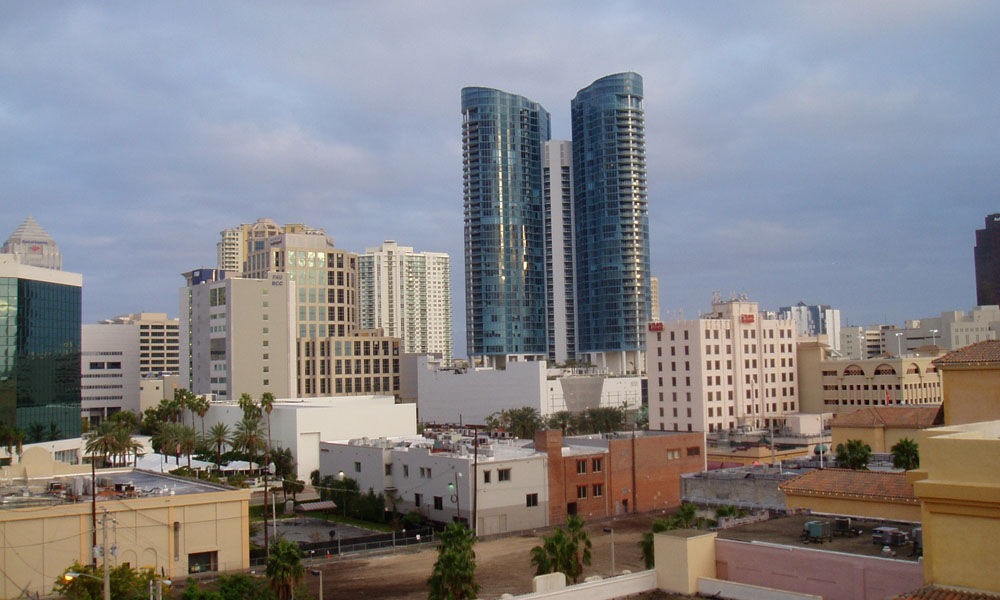
Photo: No machine-readable author provided. Bastique assu · CC BY-SA 3.0

Travel Tips

Fort Lauderdale Travel Tips: Everything You Need to Know

Practical Fort Lauderdale travel tips: best time to visit, safety, getting around by Water Taxi and BCT, airports, budgeting, tipping, and what to pack.

These Fort Lauderdale travel tips are built for real trips, not postcards.

Fort Lauderdale is a relaxed, sun-soaked South Florida city on the Atlantic coast, famous for its wide beaches, its network of navigable canals that earned it the nickname 'Venice of America', its yachting culture, and a walkable dining-and-gallery strip along Las Olas Boulevard.

Whether you have a long weekend or a full week, understanding a few local rhythms, the dry-versus-wet seasons, the neighborhood layout, and the way the Water Taxi links the waterfront, will save you time, money, and frustration.

The city is easy to orient around. The beach runs north to south along A1A, the New River and its canals wind through downtown, and Las Olas connects the historic core to the sand in a straight, walkable line.

Most of the visitor core sits in a compact band between the Intracoastal Waterway and the ocean, so Fort Lauderdale is forgiving for first-timers: you can improvise, wander a little, and still find your way back to the beach.

Below you'll find season-by-season timing, honest safety guidance, how to move around with and without a car, airport logistics for both Fort Lauderdale-Hollywood International and nearby Miami International, realistic budgeting, tipping norms, and a packing list tuned to a subtropical climate where an afternoon downpour can pass in twenty minutes.
Currency
US Dollar ($)
Language
English
Getting around
Walkable + Water Taxi & BCT
Tipping
18-20% at restaurants
Safety
Generally safe, stay area-aware
Best time to visit
Nov-Apr (dry season)

Good to Know

🧭GetYourGuide / Stay22, plan & book your trip. Affiliate slot (stub).

Currency & Language

The currency is the US dollar and the language is English, with Spanish and Haitian Creole widely spoken across the city. Cards and mobile payments are accepted almost everywhere, from beachfront cafes to Las Olas boutiques, though carrying a little cash helps at small vendors, farmers markets, and for tips. Contactless works on Brightline and most buses.

Transit Card & Payment

Broward County Transit (BCT) runs the buses, and the low-cost Sun Trolley loops through downtown and the beach. Pay BCT fares with the myRIDE Broward app, a reloadable fare card, or exact cash onboard. Brightline offers fast trains to Miami and West Palm Beach, while Tri-Rail links the wider region; a day pass is worth it if you'll ride several times.

Tipping Norm

Tipping is expected in the US. Standard is roughly 18 to 20% at sit-down restaurants, a dollar or two per drink at bars, 15 to 20% for rideshare and taxis, and a couple of dollars per bag for hotel bags or per night for housekeeping. Counter-service tip screens are optional; tip what feels fair for the service.

Layout & Orientation

Downtown centers on Las Olas Boulevard and the New River, with the palm-lined Riverwalk connecting museums, shops, and restaurants. The Atlantic Ocean is always east, so you can orient yourself instantly. Addresses split into NE, NW, SE, and SW quadrants around Andrews Avenue and Broward Boulevard, and the maze of canals earned the city its nickname, the 'Venice of America.'

Best Time to Visit: Fort Lauderdale Travel Tips by Season

Fort Lauderdale flips the usual seasonal script: its peak is winter, when the weather is warm, dry, and reliably sunny, and its quiet stretch is the humid, stormy summer. From December through April the snowbirds arrive, the beaches fill, and hotel rates climb to their highest.

Late spring and fall are the value windows, still warm and swimmable but with thinner crowds and softer prices, though you trade some of that for afternoon storms and hurricane-season odds. Summer is hot, sticky, and cheap, with near-daily downpours that usually pass fast.

Decide what you want, dry-season sun and events, or warm water and lower prices, and time the trip around it.

  • Winter (December–April)

    The high season and the reason many people come. Warm, dry days, low humidity, and comfortable evenings, with the beach and Las Olas at their liveliest. Expect the biggest crowds, packed restaurants, and top hotel rates. Book lodging and popular dining well ahead, especially around the holidays and spring break.

  • Spring (March–May)

    A strong all-around window as the dry season winds down. Warm water, plenty of sun, and marquee events like the Tortuga Music Festival on the beach. Crowds thin after Easter and rates ease into May, though humidity and the first afternoon showers start creeping back in.

  • Summer (June–August)

    The low season: hot, humid, and marked by near-daily afternoon thunderstorms that usually clear quickly. The upside is warm ocean water, quiet beaches, and the year's best hotel deals. Hurricane season is underway, so watch forecasts and consider travel insurance, and plan outdoor time for the mornings.

  • Fall (September–November)

    The quietest and cheapest stretch, and the statistical peak of hurricane season through November. September and October stay warm and humid with storm risk, but by late November the humidity drops and the dry season returns. Flexible travelers find great value and near-empty beaches.

  • Beaches in Peak Season

    Fort Lauderdale Beach and the promenade along A1A are at their best in the dry winter months, with calm, sunny conditions ideal for swimming, sunbathing, and strolling. Mornings are calmer and easier for parking; weekends and holiday weeks draw the heaviest crowds along the sand.

  • Winterfest Boat Parade

    Held on a December Saturday along the Intracoastal Waterway, the Winterfest Boat Parade sends decorated, lit-up yachts down the water in one of the region's signature holiday events. It's festive and photogenic; grab a waterfront table or spot early, as prime viewing books up fast.

  • Spring Break Period

    March into early April brings a younger, busier crowd and higher energy to the beach and bars, though the city is far tamer than its 1980s reputation. Prices spike and popular spots stay packed. Great for nightlife, less ideal if you want a quiet, laid-back beach trip.

  • Shoulder-Season Value

    Late April through May and again in November generally offer the best balance of warm weather, real availability, and lower prices. If your dates are flexible and you can tolerate a stray shower, these windows stretch a budget furthest while the water stays swimmable.

  • Avoiding Peak Crowds

    Weekdays beat weekends at the beach and on Las Olas, and early morning beats midday for parking and calm water. Holiday weeks, spring break, and big boat-show dates spike rates citywide, so it's worth checking the event calendar before locking in dates.

Is Fort Lauderdale Safe? Honest Fort Lauderdale Travel Tips on Safety

Fort Lauderdale's reputation often outruns the reality visitors experience.

The areas where tourists spend nearly all their time, Las Olas Boulevard, the beachfront along A1A, the Riverwalk and downtown, Victoria Park, Flagler Village, Rio Vista, and nearby Wilton Manors, are generally safe with normal urban awareness.

Like any coastal city, it has neighborhoods with higher crime that simply aren't on a typical itinerary. The most common issues travelers actually face are opportunistic: pickpocketing in crowds, phone snatching, and car break-ins near the beach, not the headline crimes.

Use standard big-city habits, stay aware, secure valuables, stick to lit and busy streets at night, and you'll likely have a smooth, uneventful trip.

  • Tourist Core Awareness

    Las Olas, the beach promenade, and the downtown Riverwalk are well-trafficked and patrolled. Walking these areas day and evening is routine. As anywhere, stay more alert late at night and in empty, poorly lit stretches.

  • Watch for Pickpockets

    Crowded bars, boat-show weekends, and tourist magnets along Las Olas Boulevard draw pickpockets. Keep phones and wallets in front pockets or zipped bags, don't set phones on tables at beachfront bars, and stay conscious of your belongings in packed spaces.

  • Transit at Night

    The Sun Trolley, Brightline, and county buses are used by everyone and generally fine. Late at night, ride with other people, stay near the driver or conductor, and stay aware. If a stop or car feels off, wait for the next one or move along.

  • Car Break-Ins

    If you drive, never leave anything visible in a parked car, bags, electronics, even chargers invite smash-and-grabs at beach lots and trailheads. Use secured garages where possible. This is the single most common property crime visitors encounter.

  • Rideshare Verification

    Confirm the license plate, car, and driver name before getting in, especially at the airport and busy nightlife zones where fake drivers occasionally trawl. Ride from official pickup areas at Fort Lauderdale-Hollywood International Airport.

  • Stick to Busy Streets

    At night, favor active, well-lit commercial streets like Las Olas over quiet residential shortcuts or isolated waterway paths. Fort Lauderdale's grid usually gives you a busier parallel route within a block or two.

  • Know Your Neighborhood

    Fort Lauderdale changes character block by block. A quick check of where you're headed after dark is smart, particularly in pockets west of the tourist core, which are mostly outside typical visitor routes anyway.

  • Emergency Number

    Dial 911 for police, fire, or medical emergencies; the city's non-emergency police line handles minor reports and questions. Save your hotel's address for quick reference, and note that the beach and downtown have a visible police presence.

  • Weather and Water as Safety Factors

    Hurricane season runs June through November, so watch forecasts and heed local guidance. Sun, heat, and afternoon thunderstorms are real hazards, so hydrate and get off the sand when lightning threatens. Atlantic rip currents can be dangerous; swim only at lifeguarded beaches when the flags allow.

Getting Around Fort Lauderdale: Transit Travel Tips (Water Taxi, Sun Trolley, Walking)

Fort Lauderdale is more spread out and car-oriented than a dense transit city, but its tourist core, downtown, Las Olas, the New River, and the beach, is compact, flat, and easy to cover without renting a car.

The signature way to get around is the water: this is the self-styled 'Venice of America,' and the Water Taxi glides along the Intracoastal and New River between the main sights.

On land, the low-cost Sun Trolley loops through downtown and the beach, Broward County Transit buses handle longer trips, and Brightline and Tri-Rail connect you up and down the coast. Add walking, rideshare, and a rental scooter, and you can skip the car for most of a visit.

  • The Water Taxi

    Fort Lauderdale's iconic ride cruises the Intracoastal Waterway and New River, with stops near Las Olas, the beach, the Convention Center, and waterfront restaurants. A hop-on, hop-off day pass turns transit into a scenic canal tour past mega-yachts and mansions.

  • The Sun Trolley

    This community trolley runs several routes, including links along Las Olas, the beach, and downtown, for a dollar or less, with some rides free. It's an easy, low-cost way to connect the core neighborhoods without driving or parking.

  • Broward County Transit Buses

    BCT's bus network is extensive and cheap, reaching well beyond the tourist zone to Hollywood, the airport, and Port Everglades. Routes are geared to commuters, so check a transit app for schedules, but they're handy for longer crosstown trips.

  • Brightline

    The sleek intercity train departs from a downtown station and links Fort Lauderdale with Miami, Aventura, Boca Raton, West Palm Beach, and Orlando. It's fast and comfortable, ideal for a car-free day trip down or up the coast.

  • Tri-Rail

    This commuter line runs along the western corridor from Miami up to Mangonia Park, with a stop near Fort Lauderdale-Hollywood International Airport and a shuttle connection. Fares are low and stops are frequent, though the tracks sit away from the beach.

  • Walking Las Olas Boulevard

    The palm-lined heart of downtown, Las Olas strings together boutiques, galleries, and sidewalk cafes in an easy, flat stroll. From here you can walk to the river, the arts district, and, a bit farther east, the beach.

  • The Riverwalk

    A landscaped pedestrian path traces the New River through downtown, linking Las Olas with the NSU Art Museum, the Museum of Discovery and Science, and Esplanade Park. It's a shady, car-free way to move through the center on foot.

  • The Beach & A1A Promenade

    Fort Lauderdale Beach runs alongside the trademark wave-shaped promenade and the A1A oceanfront strip. The wide, flat walkway makes it simple to stroll between hotels, bars, and swimming spots with the ocean on one side.

  • Rideshare & Taxis

    Uber, Lyft, and taxis are plentiful and often the simplest option for late nights, luggage, or reaching places off the trolley and water-taxi routes. Fares climb during peak times and events, but coverage across the metro is reliable.

  • Rental Scooters & Bikes

    Electric scooters and bikes are available to rent around downtown and the beach through app-based services. The flat terrain and beachfront paths make micromobility a breezy way to cover the gaps between neighborhoods.

  • Transit Apps

    Apps for BCT, the Sun Trolley, Brightline, and rideshare show real-time arrivals and let you plan connections across the different systems. They take the guesswork out of a network that isn't as unified as a single-agency city.

Do You Need a Car in Fort Lauderdale? Practical Travel Tips

For a beach-and-Las-Olas trip, the honest answer is often no, though Fort Lauderdale is more spread out than a dense downtown, so it depends on your plans.

The beachfront, Las Olas Boulevard, and the downtown Riverwalk form a compact, walkable core that the Water Taxi and Sun Trolley stitch together, and rideshare fills the gaps. A car mostly becomes an idle expense sitting in a beachside garage or a hotel lot with a daily fee.

Where a car does earn its keep is for day trips beyond the city, families hauling gear, or itineraries reaching into Broward's western suburbs. If that's you, consider renting only for the days you actually need it rather than for the whole stay.

  • Skip It Along the Beach

    Between the beachfront, Las Olas, and the Riverwalk, a car is more liability than asset: one-ways, drawbridges, and parking hunts eat time and money. Walking, the Water Taxi, and rideshare cover this zone better and cheaper.

  • Parking Is Pricey

    Beachside garages and metered lots along A1A and Las Olas run expensive, and hotels often add a daily self- or valet-parking fee on top of the room. Factor this in, it can quietly become one of your bigger trip costs.

  • Bridges & Traffic

    Drawbridges over the Intracoastal open on a schedule for boat traffic, and A1A and Federal Highway can crawl at peak times. This further tilts the math toward the Water Taxi and walking for getting around the core.

  • When a Car Helps: Day Trips

    For excursions to the Everglades, Miami, or a run down to the Keys, a rental unlocks flexibility that transit can't match. Renting just for those days keeps costs down versus holding a car all week.

  • Families & Gear

    Traveling with young kids, car seats, and lots of luggage can make a car more appealing for certain legs. Weigh that against parking hassles; sometimes rideshare for specific trips beats a full rental.

  • Rent at the Airport Only If Needed

    If you do rent, picking up and dropping at Fort Lauderdale-Hollywood International keeps you out of the dense beach grid. But if the car sits unused near the sand, you're paying twice, for the rental and the parking.

  • Tolls & SunPass

    I-95 express lanes and Florida's Turnpike use electronic tolling; rental cars typically offer a transponder option or bill tolls afterward, often with fees. Understand the toll setup before you drive to avoid surprise charges.

  • Water Taxi Over Wheels

    The Water Taxi glides between downtown, Las Olas, and the beach along the canals, doubling as sightseeing and transport. For many central itineraries it beats parking a car, and the Sun Trolley covers short hops for a small fare.

From Fort Lauderdale & Miami Airports: Arrival Travel Tips

Fort Lauderdale is served primarily by Fort Lauderdale-Hollywood International Airport (FLL), just three miles south of downtown in Dania Beach, with Miami International (MIA) a further option about 25 miles south.

From FLL, Broward County Transit's Route 1 bus runs up Federal Highway into downtown for a flat, low fare, while a free shuttle links the terminals to the Tri-Rail commuter train for trips around the region. From MIA, Tri-Rail heads north to Fort Lauderdale.

Rideshare, taxis, and shuttles are also available at clearly marked pickup areas, costing more but offering door-to-door convenience, handy with heavy luggage, late arrivals, or a group splitting the fare.

  • FLL Route 1 Bus

    Broward County Transit's Route 1 stops at the airport and runs up Federal Highway (US-1) straight into downtown Fort Lauderdale for a flat, low fare. It's the cheapest way in, ideal for solo travelers and light packers, though it makes local stops along the way.

  • Tri-Rail Airport Station

    A free shuttle bus links FLL's terminals to the Tri-Rail Fort Lauderdale/Hollywood International Airport station, where commuter trains run north and south along the corridor. It's inexpensive and traffic-proof, handy for reaching Hollywood, Miami, or points toward West Palm Beach.

  • Rideshare Pickup Zones

    Both airports have designated rideshare pickup areas, follow the signage rather than lingering at arrivals curbs. Costs run well above transit, more so during surge, but you get door-to-door service.

  • Taxis

    Metered taxis queue at both airports for the run into town. They're pricier than the bus or train but predictable and simple with luggage or a family, and available around the clock at official stands.

  • FLL International Arrivals

    FLL's Terminals 1 and 4 handle most international flights, with customs and immigration for overseas arrivals; allow extra time and expect a walk between areas. Signage points clearly to ground transportation and the terminal shuttle.

  • Terminal Shuttles at FLL

    Free shuttle buses loop between FLL's four terminals and the rental car center. Give yourself buffer time to move between them, especially with a connection or a rental car pickup.

  • Luggage & Transit

    The bus and train are great with a carry-on or modest bag; with multiple large suitcases or a group, weigh the convenience of a taxi or rideshare. Buses can be crowded with bulky bags at peak times.

  • Late-Night Arrivals

    Route 1 and Tri-Rail service thins out late at night, so for red-eye or delayed arrivals plan on a taxi or rideshare from either airport. Check the last train and bus times before you count on them.

  • Shared Shuttles

    Shared-ride shuttle vans serve both airports and drop at hotels for a fixed fare. They're slower with multiple stops but can beat a solo taxi on price for certain hotels along the beach.

  • Fares & Transit Passes

    Pay Broward County Transit fares with cash or the MyRide app and card, and buy Tri-Rail tickets by app or at station machines before boarding. Fares are modest, and a day pass can pay off if you plan a few rides.

Costs & Budget: Money-Saving Fort Lauderdale Travel Tips

Fort Lauderdale can flex to almost any budget. It's less punishing than Miami Beach or the Keys, but beachfront hotels, boat tours, and dining on Las Olas still add up fast.

The biggest levers are lodging (shoulder-season and inland stays cost far less than peak beachfront), transit versus rideshare (the Sun Trolley and Water Taxi save real money), and how you eat (great seafood exists at every price point).

Many of the city's best experiences, the beach, the Riverwalk, parks, and strolling Las Olas, cost little or nothing. Build a mix: splurge on one or two ticketed highlights, then lean on free and cheap experiences to keep the overall trip in check.

  • Lodging Swings

    Room rates vary enormously by season, day of week, and event calendar. Beachfront peaks in winter high season and during boat shows and spring break; shoulder seasons and inland neighborhoods cut costs significantly for similar convenience.

  • Transit Passes Save

    If you'll ride a lot, a day BCT pass beats paying per trip and dwarfs the cost of frequent rideshares. The free Sun Trolley routes and leaning on buses are the simplest ways to control transport spending.

  • Free Attractions

    Fort Lauderdale Beach and the Las Olas oceanfront, the Riverwalk, strolling Las Olas Boulevard, and neighborhood exploring are all free. These anchor a budget-friendly itinerary without feeling like a compromise.

  • Free Museum Days

    Some venues like the NSU Art Museum offer free or discounted admission days or bank-partner promotions, check policies before you go. Timing a visit right can turn a ticketed splurge into a free morning.

  • Attraction Bundles

    Multi-attraction passes can pay off if you plan to hit several ticketed sights like the Museum of Discovery and Science, Bonnet House, and Water Taxi hop-ons. Do the math against your actual list; they only save money if you'll use enough of them.

  • Eat Smart

    Fort Lauderdale's food scene spans cheap and legendary, conch fritters, fish tacos, Cuban sandwiches, and neighborhood spots deliver big flavor from a few dollars up. Reserve waterfront fine dining as the occasional splurge, not the default.

  • Happy Hours & Lunch Specials

    Many restaurants and bars run weekday happy hours and lunch deals that make otherwise pricey spots accessible. Eating your bigger meal midday can meaningfully trim the dining budget.

  • Tax on Purchases

    Sales tax is added at the register, and Broward County's combined rate sits around 7%, with additional taxes layered onto hotel stays. Budget a bit above listed menu and shelf prices.

  • Tipping Adds Up

    Remember to build 18–20% tips into your dining and service budget; it's a real, expected line item in the US, not an optional extra. It can add noticeably to a food-heavy trip.

  • Neighborhood Value

    Venturing beyond the beach core into areas like Flagler Village, Wilton Manors, or Himmarshee stretches money on food and drink while showing you a more local Fort Lauderdale.

Tipping in Fort Lauderdale: Etiquette Travel Tips

Tipping in the US is customary and, for many service workers, a core part of their income, so it's expected rather than optional in most sit-down and personal-service settings. Fort Lauderdale follows standard American norms.

At full-service restaurants, plan on roughly 18 to 20% of the pre-tax total, more for exceptional service. Bartenders, taxi and rideshare drivers, hotel staff, tour guides, and salon workers are all customarily tipped.

Counter-service and takeout tip prompts are more discretionary, tip modestly or not, as you see fit. When in doubt, err toward tipping; undertipping in the US reads as a pointed statement, not a small oversight.

  • Restaurants (Sit-Down)

    Roughly 18 to 20% of the pre-tax bill is standard, scaling up for great service or large parties. Some waterfront spots along Las Olas add an automatic gratuity for big groups, check the bill so you don't tip twice.

  • Bars

    Tip about $1 to $2 per drink, or 15 to 20% on a tab. A dollar a beer or a couple of dollars for a cocktail keeps the bartender happy and often improves the next round's service.

  • Taxis & Rideshare

    Around 15 to 20% for taxis; rideshare apps prompt a tip in-app, where a similar range or a few dollars is typical. Extra for help with heavy luggage after a Fort Lauderdale-Hollywood airport run is a nice touch.

  • Hotel Housekeeping

    Leave a few dollars per night, ideally daily since staff rotate. A small note with the cash makes clear it's a tip. It's easy to forget but genuinely appreciated.

  • Hotel Bellhops & Valet

    A couple of dollars per bag for bell staff and a similar amount when a valet retrieves your car are customary. Doormen who hail cabs or handle luggage warrant a small tip too.

  • Food Delivery

    Tip delivery drivers roughly 15 to 20% or a few dollars minimum, more in bad weather or for a long distance. Delivery apps prompt at checkout; a fair tip speeds and improves service.

  • Tours & Guides

    For walking, water taxi, or boat tours through the canals of the Venice of America, tipping the guide is customary, a few dollars per person for a group tour, more for private or exceptional experiences. Free walking tours run entirely on tips.

  • Counter Service

    Tablet tip screens at cafes and takeout counters are discretionary. Rounding up or a small tip is kind for made-to-order items, but there's no obligation as there is with table service.

  • Salons & Personal Services

    Haircuts, spa treatments, and similar personal services follow the roughly 18 to 20% norm. If you're using these during a longer stay, budget for the tip as part of the service cost.

What to Pack for Fort Lauderdale: Seasonal Packing Travel Tips

Packing for Fort Lauderdale is really packing for sun, heat, and humidity, softened by ocean breezes off the Atlantic.

The single best strategy in any season is lightweight, breathable clothing plus serious sun protection, you'll be outdoors on the beach, along the Riverwalk, and up and down Las Olas Boulevard.

Summers are hot and muggy with near-daily afternoon thunderstorms; the winter dry season is warm, sunny, and pleasant, though evenings can turn cool enough for a light layer.

Beyond the weather, prioritize genuinely comfortable walking shoes and sandals, a rain shell for those quick pop-up storms, and a small daypack for water, sunscreen, and whatever you pick up along the way.

  • Comfortable Walking Shoes

    You'll cover Las Olas Boulevard, the Riverwalk, and the beachfront promenade on foot, so broken-in, supportive shoes matter most. Add a pair of sandals or flip-flops for the sand and pool decks, but keep sturdier footwear for full days out.

  • Light Layers

    A tee plus a light sweater or shirt handles the gap between hot streets and heavily air-conditioned restaurants, shops, and museums. In the winter dry season, that same layer covers breezy evenings near the water.

  • Sun Protection

    The subtropical sun is intense year-round, so pack a wide-brimmed hat, sunglasses, and high-SPF sunscreen. Choose a reef-safe formula for the beaches and reefs, and reapply often on exposed lakefront and boat days.

  • Swimwear and Beach Gear

    Fort Lauderdale Beach, Hugh Taylor Birch State Park, and the canals are the whole point, so bring at least two swimsuits and a quick-dry towel. A cover-up and water shoes round out easy beach-to-boardwalk days.

  • Summer Essentials

    For the hot, humid stretch from late spring through early fall, favor loose, breathable fabrics like linen and cotton. Insect repellent helps near the Everglades and mangroves, where mosquitoes pick up around dusk.

  • Rain Protection

    A compact rain shell or travel umbrella covers the near-daily afternoon downpours of the wet season. The storms are usually brief and pass quickly, so lightweight, packable gear beats anything bulky.

  • Daypack

    A small, secure backpack or crossbody carries water, sunscreen, layers, and beach odds and ends while keeping hands free for the Water Taxi and photos. A water-resistant one shrugs off spray and sudden showers.

  • Refillable Water Bottle

    Tap water is safe, and a refillable bottle keeps you hydrated through hot, humid days on the sand and along the canals while cutting costs. An insulated one keeps your water cold much longer in the heat.

  • Portable Charger

    Between maps, the Water Taxi and rideshare apps, contactless payments, and beach photos, your phone works hard. A power bank keeps it alive through a full day out when you're far from an outlet.

  • Dressier Outfit

    For a waterfront dinner on Las Olas, a rooftop bar, or a night on the yachts, pack one smart-casual outfit. Fort Lauderdale's nicer venues appreciate a step up from swimwear and flip-flops, though the vibe stays relaxed and coastal.

Frequently Asked Questions

How many days do you need in Fort Lauderdale?

Three to four days suits first-timers, covering the beach, Las Olas Boulevard, a Water Taxi loop, the Riverwalk, and a museum or two. Five or more days lets you add the Everglades, Hollywood Beach, or a day trip to Miami.

Is Fort Lauderdale walkable for tourists?

The core is. The beach promenade, Las Olas Boulevard, the downtown Riverwalk, and Flagler Village all connect on foot along a flat, logical layout. The Water Taxi and BCT buses cover longer hops between the beach, downtown, and the port.

Which airport is better, Fort Lauderdale-Hollywood or Miami?

It depends on your flight. Fort Lauderdale-Hollywood International (FLL) is closer, smaller, and just fifteen minutes from the beach; Miami International (MIA) is larger with more international routes but about forty-five minutes south. Brightline and rideshare link both to downtown.

What is Fort Lauderdale most famous for food-wise?

Fort Lauderdale is famous for fresh Florida seafood: stone crab claws in season, grouper sandwiches, conch fritters, and key lime pie. The scene spans Floribbean, Latin American, and waterfront dining at every price point.

What's the best way to see the canals?

The Water Taxi is the classic, highly rated option, hopping between the beach, Las Olas, and downtown stops. Rented electric boats, sunset sailing charters, and the free Riverwalk are great lower-cost alternatives.

Do I need to worry about the weather ruining my trip?

Weather matters more than crime, so plan around it. Summers are hot, humid, and prone to afternoon storms, with hurricane season running June to November; winters are warm and dry. Pack light layers and a rain shell, and most downpours pass quickly.