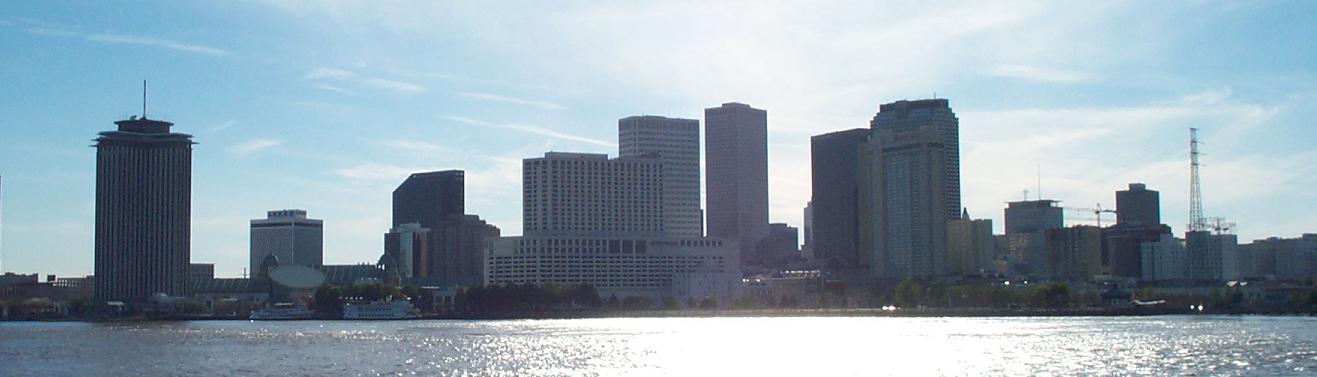
New Orleans skyline
Photo: Justin Watt · Public domain

Travel guide

Things to Do in New Orleans: The Ultimate Guide to the Crescent City

Discover the best things to do in New Orleans, from the French Quarter and Jackson Square to jazz clubs, beignets, streetcar rides, and hidden neighborhood gems.

Last updated January 2026

Coordinates
29.96° N, 90.07° W
Best season
Feb – May · Oct – Nov
Language
English
Currency
US Dollar ($)
Time zone
CST (UTC−6)

Few American cities feel as instantly, intoxicatingly distinct as New Orleans, and figuring out the best things to do in New Orleans can feel overwhelming when centuries of history, world-class food, live music on every corner, and river views all compete for your attention.

The best of the city rewards curiosity: you can spend a morning sketching wrought-iron balconies in the French Quarter, an afternoon tracing the Mississippi on a paddle-wheeler, and an evening chasing brass bands down Frenchmen Street.

This is a city built on layers of French, Spanish, Creole, African, and Caribbean influence, and it wears every one of them proudly.

What makes New Orleans special is how distinct its neighborhoods are. The gas-lit corners of the French Quarter give way to the bohemian buzz of the Marigny, the oak-canopied grandeur of the Garden District, the jazz heritage of Tremé, and the streetcar calm of Uptown.

The Mississippi River curls around it all, and the flat, compact geography means much of the city is yours on foot or by a rattling St. Charles Avenue streetcar.

You can eat like royalty on a budget, second-line behind a brass band, or sip coffee and chicory under the awning at Cafe du Monde.

This guide is built to be comprehensive, whether you have a rainy afternoon, a family weekend, a romantic getaway, or a full week to explore.

We break New Orleans down by mood and traveler, fun, free, family-friendly, adults-only, romantic, nightlife, and rainy-day picks, then move through the seasons and the neighborhoods so you can build an itinerary that actually fits how you like to travel.
The Best of New Orleans

🎟️GetYourGuide / Viator, book tours & tickets. Affiliate slot (stub).
10 places on the map · tap a pin for details
Jackson Square & St. Louis Cathedral

📍 French Quarter

Jackson Square & St. Louis Cathedral

The symbolic heart of New Orleans is this landscaped park framed by the triple-spired St. Louis Cathedral, the oldest continuously active cathedral in the United States. The square is ringed by the Pontalba Buildings and the Cabildo and Presbytère museums, where the Louisiana Purchase was signed. Artists hang their canvases on the iron fence, tarot readers set up tables, and brass buskers play beneath the equestrian statue of Andrew Jackson. It's free, central, and the best single introduction to the city. Come early for quiet or in the evening when the cathedral glows and street music fills the air.

📍 View on Google Maps →
Royal Street & Bourbon Street

📍 French Quarter

Royal Street & Bourbon Street

The Vieux Carré's two most famous streets show two very different faces of the Quarter. Royal Street is the refined one, lined with antique shops, art galleries, cast-iron balconies, and courtyard hotels, and it closes to cars midday so buskers can perform. One block over, Bourbon Street is the raucous nightlife spine, packed with go-cups, neon, and music spilling from every doorway. Wander both to grasp the range of the neighborhood. Explore during daylight for the architecture and lace-iron galleries, then return after dark when the balconies light up and the party finds its stride.

📍 View on Google Maps →
St. Louis Cemetery No. 1

📍 Faubourg Tremé

St. Louis Cemetery No. 1

The city's oldest surviving cemetery, opened in 1789, is a maze of whitewashed above-ground tombs built high because of the shallow water table. Among the crumbling vaults lies the reputed tomb of Voodoo priestess Marie Laveau, still visited by the faithful. To protect the fragile monuments, the Archdiocese now requires visitors to enter with a licensed tour guide or as tomb-owning family. Ticketed guided tours run throughout the day and decode the funerary customs, symbolism, and history packed into these 'cities of the dead.' Sun-bleached and haunting, it's a uniquely New Orleans experience found nowhere else in America.

📍 View on Google Maps →
Café du Monde & Beignets

📍 French Quarter

Café du Monde & Beignets

Open around the clock since 1862, this green-and-white awning on Decatur Street serves one thing gloriously well: square, holeless beignets buried under a mountain of powdered sugar, paired with chicory café au lait. There's no table service ritual, just a paper menu and a rush of waiters, and the line moves faster than it looks. Cash is king, and yes, you will wear the sugar home. It's touristy but genuinely essential, a rite of passage best enjoyed people-watching by the river. Come at odd hours to dodge the crowds; the kitchen never closes.

📍 View on Google Maps →
French Market

📍 French Quarter

French Market

Stretching several blocks along the river end of Decatur Street, this is one of the oldest public markets in the country, tracing its roots to the 1790s. Today it blends a farmers and flea market with food stalls, souvenir vendors, and produce sellers under open-air sheds. Graze on pralines, muffulettas, and crawfish, hunt for Creole spices and secondhand finds, then spill out toward the riverfront. It's free to browse and easy to fold into a Quarter stroll. The daily flea section is liveliest on weekend mornings when local makers set up alongside the regulars.

📍 View on Google Maps →
Frenchmen Street

📍 Faubourg Marigny

Frenchmen Street

Just downriver from the Quarter, this three-block stretch is where locals go to hear live music, an antidote to Bourbon Street's spectacle. Clubs like the Spotted Cat, d.b.a., and Snug Harbor stack jazz, funk, brass, and blues sets nightly, often with little or no cover. The nighttime Frenchmen Art Market spills glowing stalls onto a side lot. Bar-hop on foot between venues and follow your ears. Music usually starts in the early evening and runs late; arrive around dusk to grab a spot before the trombones warm up and the crowds thicken.

📍 View on Google Maps →
Preservation Hall

📍 French Quarter

Preservation Hall

Founded in 1961 to protect traditional New Orleans jazz, this spartan, un-air-conditioned room on St. Peter Street offers no drinks, no bar, and barely any seating, just world-class acoustic jazz played nightly by masters of the form. The intimacy is the point: you sit or stand feet from the horns in a candle-dim space that feels frozen in time. Ticketed sets run multiple times each evening and last around 45 minutes. Buy in advance for the earliest shows or queue for walk-up spots. Few musical experiences anywhere feel this authentic or this close.

📍 View on Google Maps →
The National WWII Museum

📍 Warehouse District

The National WWII Museum

Consistently ranked among the best museums in the country, this sprawling campus tells the story of the American experience in World War II through immersive galleries, personal artifacts, and restored aircraft suspended overhead. Located here because New Orleans built the Higgins landing craft that carried troops ashore on D-Day, it includes the moving 'Road to Berlin' and 'Road to Tokyo' pavilions and a 4D film narrated by Tom Hanks. Ticketed, with add-ons for the film and submarine experience. Plan the better part of a day; it's an easy rainy-day anchor for the Arts District.

📍 View on Google Maps →
St. Charles Avenue Streetcar

📍 Uptown / Garden District

St. Charles Avenue Streetcar

The oldest continuously operating streetcar line in the world has been rolling since 1835, its olive-green cars with mahogany seats now a National Historic Landmark on wheels. For the price of a single fare you can ride from the edge of the Central Business District out beneath a canopy of live oaks, past Garden District mansions, Loyola and Tulane universities, and the gates of Audubon Park. Bring exact change or a Jazzy Pass. Grab a window seat, roll it down, and let it be your unhurried sightseeing tour of the grandest avenue in the city.

📍 View on Google Maps →
The Garden District & Lafayette Cemetery No. 1

📍 Garden District

The Garden District & Lafayette Cemetery No. 1

Developed by wealthy Americans in the 19th century, this leafy district is a showcase of antebellum and Victorian mansions set behind cast-iron fences and towering magnolias. Stroll the quiet streets to admire homes tied to figures from Anne Rice to modern celebrities, then peer into Lafayette Cemetery No. 1, an atmospheric block of above-ground tombs (check current access, as it periodically closes for restoration). The neighborhood is free to wander and endlessly photogenic. Reach it via the St. Charles streetcar and pair the walk with a meal or shopping on nearby Magazine Street.

📍 View on Google Maps →
City Park

📍 Mid-City

City Park

One of the oldest and largest urban parks in the country, this 1,300-acre expanse holds the world's largest stand of mature live oaks, some centuries old and draped in Spanish moss. Within its bounds you'll find the whimsical Storyland and vintage Carousel Gardens amusement area, the New Orleans Botanical Garden, quiet lagoons for paddle boats, and miles of walking paths. Much of the park is free to roam. Reachable by the Canal Street streetcar, it's a green refuge from the Quarter's bustle and gorgeous at golden hour beneath the sprawling oaks.

📍 View on Google Maps →
New Orleans Museum of Art & Besthoff Sculpture Garden

📍 City Park / Mid-City

New Orleans Museum of Art & Besthoff Sculpture Garden

The city's oldest fine arts institution occupies a stately Beaux-Arts building at the entrance to City Park, with strong holdings in French, Louisiana, African, and Japanese art plus a renowned decorative arts collection. Just outside, the free Sydney and Walda Besthoff Sculpture Garden winds through the oaks with more than 90 modern and contemporary works among lagoons and footbridges. The museum is ticketed; the sculpture garden is free and open daily. Combine both with a City Park ramble for a half-day of art and greenery well away from downtown crowds.

📍 View on Google Maps →
Audubon Park

📍 Uptown

Audubon Park

Designed in part by the firm of Frederick Law Olmsted, this Uptown park across from Tulane and Loyola offers a shaded 1.8-mile loop popular with runners, cyclists, and families, curling past a lagoon full of egrets and ancient oaks. Golf, tennis, and a riverfront overlook called 'The Fly,' a favorite spot to watch ships and sunsets on the Mississippi, round out the offerings. It's free and easily reached by the St. Charles streetcar. Bring a picnic and let the day drift; it's one of the loveliest free green spaces in the city.

📍 View on Google Maps →
Audubon Zoo

📍 Uptown

Audubon Zoo

Set within Audubon Park, this well-regarded zoo is best known for its Louisiana Swamp exhibit, home to rare white alligators and a cast of Cajun-country wildlife amid re-created bayou scenery. Elsewhere you'll find a strong Asian and African collection, an orangutan habitat, and a splash park to cool off the kids in summer. Ticketed, with combo passes available for the aquarium and insectarium downtown. Reach it via the streetcar and a short walk through the park. It's a reliable family day and a distinctly local take on the classic zoo experience.

📍 View on Google Maps →
Magazine Street

📍 Garden District / Uptown

Magazine Street

Running six miles from the CBD through the Garden District and Uptown, this is the city's premier corridor for independent shopping and eating. Instead of chains you'll find boutiques, antique dealers, art galleries, coffee roasters, and some of the best restaurants in town, all in a walkable ribbon of colorful shotgun storefronts. Tackle it in segments, since it's long, and hop the streetcar or a bus between clusters. It's free to browse and a welcome change of pace from the Quarter, showing off the everyday creativity and appetite that define New Orleans life.

📍 View on Google Maps →
Mardi Gras World

📍 Central Business District

Mardi Gras World

Even outside carnival season you can step inside the working warehouses where the giant floats are built at Blaine Kern Studios, the family workshop behind the city's biggest parades for generations. Guided tours wind past towering figures in various states of construction, explain the traditions and krewes behind Mardi Gras, and let you try on costumes and sample king cake. Located on the riverfront near the convention center, it's ticketed and runs daily. It's the best way to understand the year-round craft behind the world's most famous street party without waiting for Fat Tuesday.

📍 View on Google Maps →
Steamboat Natchez

📍 French Quarter / Riverfront

Steamboat Natchez

One of the last authentic steam-powered sternwheelers on the Mississippi, this red-trimmed paddlewheeler departs from the Toulouse Street wharf behind Jackson Square for narrated harbor cruises. A calliope serenades the dock before departure, and onboard you can watch the exposed steam engine at work, hear live jazz, and opt for a Creole buffet. Daytime and evening dinner cruises are available; both are ticketed and best booked ahead. Gliding past the port's cranes and the city skyline, it's a relaxing, breezy way to experience the river that made New Orleans a great American city.

📍 View on Google Maps →
Swamp & Bayou Tour

📍 Jean Lafitte / Barataria

Swamp & Bayou Tour

Just outside the city, the cypress swamps and slow bayous of the Barataria Preserve and Honey Island reveal the wild Louisiana that surrounds the streets. Guided boat tours, from covered pontoons to fast airboats, carry you past moss-draped cypress knees in search of alligators, herons, wild boar, and nutria while Cajun guides share the folklore of the wetlands. Ticketed and typically a couple of hours plus travel, with many operators offering hotel pickup. Spring through fall is best for gator sightings. For a free, self-guided option, walk the boardwalks of the Jean Lafitte park.

📍 View on Google Maps →
Louis Armstrong Park & Congo Square

📍 Faubourg Tremé

Louis Armstrong Park & Congo Square

Just across Rampart Street from the Quarter, this park honors the native son who reshaped American music, its entrance marked by a grand arch and a statue of Satchmo horn in hand. At its heart lies Congo Square, the hallowed ground where enslaved and free Africans gathered on Sundays to drum and dance, seeding the rhythms that grew into jazz. The park is free and hosts festivals and Sunday drum circles. Walk its lagoons and sculptures, then step into surrounding Tremé, the historic Black neighborhood widely called the cradle of the music.

📍 View on Google Maps →
New Orleans Jazz Museum at the Old U.S. Mint

📍 French Quarter

New Orleans Jazz Museum at the Old U.S. Mint

Housed in the only building to have served as both a United States and a Confederate mint, this museum at the downriver edge of the Quarter now celebrates the birthplace of jazz. Galleries display instruments played by legends, including a cornet owned by Louis Armstrong, alongside rotating exhibits on the music's roots and reach. A third-floor performance space hosts regular live sets. Ticketed and rarely crowded, it pairs history with sound better than almost anywhere. Combine it with the adjacent French Market and a stroll toward Frenchmen Street just a block or two away.

📍 View on Google Maps →
Backstreet Cultural Museum

📍 Faubourg Tremé

Backstreet Cultural Museum

Tucked into a small building in Tremé, this beloved grassroots museum preserves the traditions the tourist brochures miss: the dazzling hand-sewn suits of the Mardi Gras Indians, the sashes and umbrellas of the social aid and pleasure clubs, and the rituals of the jazz funeral and second line. The collection feels personal because it is, assembled by community members to safeguard living African American culture. Ticketed with a modest fee and limited hours, so check ahead. It's an intimate, essential stop for understanding the neighborhood folk traditions that give the city its soul.

📍 View on Google Maps →
Crescent Park & the Mississippi Riverfront

📍 Bywater / Marigny

Crescent Park & the Mississippi Riverfront

This modern linear park stretches along a former industrial wharf downriver of the Quarter, giving pedestrians and cyclists a rare, unobstructed walk right at the water's edge. A sculptural rusted-steel arch, nicknamed 'the Rusty Rainbow,' carries you over the rail line to lawns, a dog run, and wide-open views of the working river and skyline. It's free and refreshingly uncrowded, a favorite of locals for sunrise runs and picnics. Enter from Marigny or Bywater and time a visit for sunset, when passing barges and the downtown towers catch the last of the light.

📍 View on Google Maps →

Fun Things to Do in New Orleans

The most fun things to do in New Orleans lean into the city's uninhibited, music-soaked energy, blending deep culture with pure good times.

This is a place where you can rattle down an avenue on a century-old streetcar, second-line behind a brass band, sip a chicory coffee under a mound of powdered sugar, and dance to trumpet until 2 a.m., sometimes all in one day.

The fun here isn't manufactured; it grows out of a city that takes its food, music, and festivals seriously.

Whether you want a paddlewheel cruise on the Mississippi at golden hour, an airboat skimming across a cypress swamp, or a neighborhood parade with cold drinks and a sousaphone, New Orleans overflows with options.

These picks span the marquee experiences everyone should try once and the quirkier ones that turn a trip into a story worth telling.

  • Ride the St. Charles Avenue Streetcar

    The oldest continuously operating streetcar line in the world clatters through the Garden District beneath a canopy of live oaks, past antebellum mansions and Audubon Park. For the price of a fare it's the city's most charming, breezy sightseeing ride. Grab a wooden seat by an open window and let it roll.

  • Hear live jazz on Frenchmen Street

    A few blocks from the French Quarter, this Marigny strip packs a dozen clubs where brass bands, trad jazz, and funk pour into the street every night. The Spotted Cat and d.b.a. are local favorites, and most cover charges are tiny or free. It's the real, unmissable soundtrack of the city.

  • Cruise the Mississippi on the Steamboat Natchez

    Board the last authentic steam-powered sternwheeler on the river for a two-hour turn past the port and skyline, live Dixieland jazz playing on deck. Sunset sailings glow, and you can add a Creole buffet. It's a relaxing, quintessentially New Orleans afternoon on the water.

  • Eat beignets at Cafe du Monde

    Order three hot, pillowy fried doughnuts buried in powdered sugar with a cup of chicory cafe au lait at this open-air institution near Jackson Square. It's open around the clock, cash only, and gloriously messy. Eating here is an activity in itself and a rite of passage.

  • Catch a set at Preservation Hall

    This bare-bones French Quarter room has hosted traditional New Orleans jazz nightly since 1961, with no drinks, no frills, and musicians just feet away. Sets are short and intimate, so arrive early to line up. It's a goosebump-raising brush with living musical history.

  • Take a swamp tour in the bayou

    A short drive from downtown, airboat and covered-boat tours glide through moss-draped cypress swamps where alligators, herons, and turtles bask. Guides share Cajun lore and local ecology. It's an easy, thrilling half-day escape into the wild Louisiana wetlands.

  • Wander the French Quarter and Bourbon Street

    Lose yourself among the Quarter's wrought-iron balconies, hidden courtyards, and antique shops, then dip into the neon chaos of Bourbon Street for a Hurricane or Sazerac. It's unabashedly touristy fun, best on foot with a go-cup in hand and no fixed plan.

  • Eat a po'boy, gumbo, and crawfish

    Sink your teeth into a fried-shrimp po'boy 'dressed', spoon into a dark roux gumbo, then peel a tray of boiled crawfish in season. Food here is a full-contact activity, and arguing the best spot for each is half the joy. Come hungry and eat like a local.

  • Explore City Park and its old carousel

    One of the country's largest urban parks holds ancient oaks, the New Orleans Museum of Art, the Besthoff Sculpture Garden, and a rare 1906 wooden flying-horse carousel. Rent a paddleboat or stroll the bayou. It's leafy, low-key family fun away from the crowds.

  • Tour a historic above-ground cemetery

    New Orleans buries its dead in ornate marble tombs above the water table, creating haunting 'cities of the dead'. A licensed guided tour of St. Louis Cemetery No. 1 unpacks the history, architecture, and voodoo legends. It's an atmospheric, only-here experience.

  • Browse and bar-hop Magazine Street

    This six-mile Uptown stretch strings together indie boutiques, antique stores, coffee shops, craft-cocktail bars, and neighborhood restaurants. A self-guided crawl shows off the city's creative, easygoing side far from the tourist core, with a streetcar or bike ride linking the ends.

Free Things to Do in New Orleans

There are more free things to do in New Orleans than most visitors realize, and some of the city's very best experiences never cost a dime.

New Orleans wears its culture in the open air: a French Quarter that is a living museum of ironwork balconies and courtyards, a riverfront that belongs to everyone, sprawling oak-shaded parks, and neighborhoods whose murals, corner brass bands, and second-line parades turn the streets into a stage.

The city has always let its music and its history spill outdoors, from Sunday drum circles in Congo Square to buskers filling Jackson Square with jazz.

Louisiana residents also get free-entry days at the art museum, and many of the city's most atmospheric corners cost nothing at all.

Whether you're traveling on a budget or simply want to feel the city's rhythm without a ticket, these picks prove that the soul of New Orleans, its architecture, its river, its live oaks, its communities, is remarkably free to enjoy.

Here are more than a dozen ways to experience the city for nothing.

  • Jackson Square & St. Louis Cathedral

    Watch street musicians, tarot readers, and artists fill the square in front of the oldest continuously active cathedral in the United States. Stepping inside St. Louis Cathedral is free, and the square is the city's free civic living room and the best starting point for any first visit.

  • Audubon Park

    Stroll or run the shaded loop beneath centuries-old live oaks draped in Spanish moss, just Uptown along the streetcar line. There's never an admission charge to the park itself, which makes this leafy, lagoon-dotted retreat endlessly repeatable.

  • The Sydney and Walda Besthoff Sculpture Garden

    Wander among more than ninety sculptures set under mossy oaks and beside lagoons in City Park, entirely free to the public. This serene outdoor gallery beside the New Orleans Museum of Art is one of the city's most beautiful and underappreciated free spaces.

  • The Moonwalk & Woldenberg Riverfront Park

    Stroll the promenade along the Mississippi beside the French Quarter, watching steamboats and ocean-going ships slide past. Walking it costs nothing, and it's one of the most atmospheric ways to catch a breeze, especially in the golden hour before dinner.

  • City Park

    This vast, free green space is larger than New York's Central Park, with the world's largest stand of mature live oaks and quiet paths along lagoons. It's a serene, photogenic refuge from the city's heat, especially magical in the dappled morning light.

  • Frenchmen Street live music

    A few blocks from the Quarter, this Marigny strip pulses with jazz, funk, and brass most nights. Many clubs charge no cover (a tip for the band is customary), so you can wander from doorway to doorway soaking up live music for free.

  • The French Market

    Browse the open-air stalls, produce, crafts, and prepared-food vendors of the oldest public market in the country, running along the river edge of the Quarter. Walking through costs nothing, and it's a lively, no-cost slice of everyday New Orleans.

  • Bywater & Marigny murals

    Wander the colorful cottages and warehouse walls of these downriver neighborhoods to see one of the city's richest concentrations of street art. The riotous murals along St. Claude Avenue and side streets are an open-air gallery free to explore on foot.

  • Crescent Park

    Climb the sculptural 'rusty rainbow' arch over the railroad tracks to reach this waterfront park in Bywater, with wide-open views of the river and the skyline downstream. The park is free and offers some of the best unobstructed vantage points on the Mississippi.

  • The New Orleans Museum of Art on a free day

    Louisiana residents enjoy free admission on Wednesdays, letting you see the museum's decorative arts, photography, and Southern collections without a ticket. Check the schedule and arrive early; it's a rare chance to experience a serious art museum for free.

  • Congo Square in Louis Armstrong Park

    Stand on the ground where enslaved Africans once gathered to drum and dance on Sundays, a birthplace of American music. The park and square are free to enter, and on many Sunday afternoons an open drum circle keeps the tradition audibly alive.

  • The Garden District architecture walk

    Stroll the leafy streets of this Uptown neighborhood to admire grand antebellum mansions, cast-iron fences, and manicured gardens. Wandering past these historic homes costs nothing and delivers some of the most photographed streetscapes in the South.

  • Ride the St. Charles streetcar

    While the fare isn't free, riding the oldest continuously operating streetcar line in the world is a cheap, iconic way to see the city. The rattling wooden cars and the oak-lined avenue of mansions are an experience unto themselves.

  • Bayou St. John

    This gentle waterway winding through Mid-City offers free strolling and picnicking along grassy banks, with paddlers and locals fishing at the water's edge. Combine it with a walk past the historic Pitot House for a peaceful, no-cost afternoon.

  • Window-shop Magazine Street

    You don't need to spend a cent to enjoy the boutiques, galleries, and shotgun-house storefronts strung along six miles of this Uptown street. Its constant parade of local color and Creole architecture turns a simple walk into a free afternoon out.

Things to Do in New Orleans with Kids (Family-Friendly)

Finding things to do in New Orleans with kids is easier than its party-town reputation suggests, because beyond Bourbon Street lies a city rich in animals, music, and hands-on wonder.

The riverfront alone can fill a day, with a rebuilt aquarium, an insectarium, and paddlewheeler cruises within a short walk of one another.

Add sprawling City Park with its antique carousel and storybook rides, a top-ranked zoo with a splash park, and imaginative children's museums, and you have a destination that keeps kids engaged and parents at ease.

The historic streetcars turn getting around into an attraction of its own, and the food scene is famously kid-friendly, from beignets dusted in powdered sugar to muffulettas to snowballs on a hot afternoon.

Many of the best family outings are free or low-cost, and the compact core means you're rarely far from a shady bench, a bathroom, or a snack. These picks balance beloved museums with active, outdoor fun so every age finds something to love.

  • Audubon Aquarium of the Americas

    Reopened after a major renovation, this riverfront favorite features a walk-through Gulf of Mexico tunnel, playful sea otters, and rescued sea turtles. The Amazon rainforest exhibit is a hit with little ones. Book timed entry and arrive early on hot days.

  • Audubon Zoo

    The Louisiana Swamp exhibit, with its rare white alligators, is unforgettable, and the compact Uptown layout suits shorter attention spans. In summer, the Cool Zoo splash park lets kids cool off among gators and fountains before more animal spotting.

  • Louisiana Children's Museum

    Relocated to City Park, this bright museum is built for hands-on play, with a mini Mississippi River to sail boats down, a market to shop and cook in, and outdoor sensory gardens. It's an ideal weatherproof morning for younger children.

  • City Park & Storyland

    One of the country's largest urban parks offers moss-draped oaks, paddleboats, and Storyland, a whimsical playground of fairy-tale sculptures kids can climb. There's room to run for hours, and it's an easy pairing with the neighboring museum and carousel.

  • Carousel Gardens Amusement Park

    Home to a beautifully restored antique wooden carousel, one of the last of its kind, plus a miniature train, a Ferris wheel, and gentle rides sized for little ones. The oak-shaded setting inside City Park makes it feel like a storybook fairground.

  • Audubon Insectarium

    Now housed alongside the aquarium, this quirky museum lets kids meet butterflies in a lush Asian garden, handle beetles, and, for the brave, sample bug-based snacks in the tasting kitchen. It's tactile, funny, and surprisingly beautiful.

  • Mardi Gras World

    Peek behind the scenes of Carnival at Blaine Kern's working studio, where towering, colorful floats are sculpted and painted year-round. Kids are wide-eyed at the giant figures, and the tour ends with a slice of king cake to taste.

  • Woldenberg Riverfront Park

    This grassy ribbon along the Mississippi gives families space to run, watch ships and paddlewheelers glide past, and cool off in the fountains at Spanish Plaza nearby. It's a relaxed, stroller-friendly stretch right beside the French Quarter.

  • Ride the St. Charles Avenue Streetcar

    For many kids, clattering along in a century-old wooden streetcar is a thrill in itself. A cheap ride under the oaks past grand mansions doubles as a sightseeing tour and a beloved memory of the trip.

  • Steamboat Natchez river cruise

    The last authentic steam-powered paddlewheeler on the river offers a breezy daytime cruise with live jazz, calliope music, and the churn of the giant red wheel. Kids love watching the engine room and spotting the passing skyline.

  • Jean Lafitte Barataria Preserve

    Just outside the city, boardwalk trails wind through cypress swamp where families spot alligators, turtles, and herons at a toddler's pace. It's a free, gentle introduction to Louisiana's wild wetlands and a welcome dose of nature.

Things to Do in New Orleans for Adults

The best things to do in New Orleans for adults tap into a city that lives for pleasure, whether your idea of a great day involves a Creole tasting menu, a Sazerac at a historic bar, a brass band on Frenchmen Street, or a quiet afternoon among antique galleries.

New Orleans's dining scene is among the country's most distinctive, spanning grand old Creole rooms and unpretentious neighborhood joints.

Its bar culture runs deeper than almost anywhere, from the reputed birthplace of the cocktail to hidden courtyard lounges, and its music heritage, jazz, funk, brass, and a fierce local scene, plays out live nearly every night.

Beyond food and drink, adults can lose themselves in centuries-old architecture, small theaters, and cemetery tours, or spend an afternoon touring distilleries and breweries.

This is a city that lets grown-ups indulge without apology: the elegance feels lived-in, the dive bars feel authentic, and the culture is genuinely singular. These picks are built for travelers who want depth, flavor, and a good night out.

  • Dine at a classic Creole grande dame

    New Orleans is a culinary powerhouse, home to storied rooms like Commander's Palace, Antoine's, and Galatoire's. Reserve ahead for a special-occasion meal of turtle soup and bananas Foster, or explore the deep bench of acclaimed neighborhood spots for creative Creole cooking at every price point.

  • Sip cocktails where they were born

    The city claims the cocktail itself, and its scene rewards a night of unhurried, well-made drinks. Order a Sazerac at the Sazerac Bar, a Ramos Gin Fizz, or a Vieux Carre at the revolving Carousel Bar, then seek out hidden courtyard lounges tucked through the French Quarter and Marigny.

  • Catch live jazz on Frenchmen Street

    New Orleans is the birthplace of jazz, and the clubs of Frenchmen Street in the Marigny keep the tradition roaring nightly. Squeeze into a small room like the Spotted Cat or Snug Harbor, order a drink, and hear brass, trad jazz, and funk at its source.

  • Tour distilleries and neighborhood breweries

    The local drinks scene runs beyond cocktails, from the Sazerac House museum on Canal Street to rum at Celebration Distillation and taprooms like NOLA Brewing and Urban South. Spend an afternoon sampling flights, touring production floors, and tasting spirits made in the city.

  • See a show at a historic theater

    New Orleans's stage tradition is intimate and offbeat, from the restored Saenger and Orpheum theaters downtown to tiny black-box rooms like the AllWays Lounge in the Marigny. Catching a play or burlesque revue here means raw, close work in rooms where you feel every line.

  • Graze the Marigny and Bywater

    Just downriver from the Quarter, these neighborhoods have turned old Creole cottages and warehouses into one of the city's most rewarding dining and nightlife strips. Graze between buzzy restaurants, wine bars, and rooftops like the one at the Country Club in a single stylish evening.

  • Take an architecture and history deep-dive

    Beyond the crowds, adults can tour landmark interiors, antebellum mansions along St. Charles Avenue, and the ironwork galleries of the French Quarter and Garden District. New Orleans is an open-air museum of American architecture for those who want to look closely.

  • Ride the streetcar at golden hour

    The St. Charles Avenue streetcar makes for an ideal adult evening: a slow rattle beneath live oaks, past mansions glowing in the dusk, with a stop for a drink along the way. It's relaxed, scenic, and quintessentially New Orleans in warm weather.

  • Hear brass at Preservation Hall

    From Preservation Hall's spare, candlelit reverence in the Quarter to intimate rooms uptown, New Orleans's traditional jazz offers sophisticated nights. Preservation Hall in particular oozes history, with no drinks and no talking, just the music played the way it has been for generations.

  • Tour the cemeteries and try your luck downtown

    Walk the above-ground tombs of a historic cemetery like Lafayette No. 1 by day, then try your hand at the tables at Harrah's near the river by night. It's an easy way to mix the city's haunted history and a little grown-up thrill into one itinerary.

Romantic Things to Do in New Orleans for Couples

The most romantic things to do in New Orleans for couples make the most of the city's languid river, its gas-lit courtyards, and its deep dining and cocktail culture.

There's something inherently cinematic about New Orleans at dusk, the way the light softens over the Mississippi, the way the oak-lined avenues glow amber, the way a courtyard fountain and a distant trumpet frame a whole tender mood.

Couples can build an entire getaway around it: a paddlewheel cruise at golden hour, a sunset from an observation deck, a slow dinner in a candlelit dining room, and a nightcap somewhere with live jazz.

Beyond the postcard moments, the city offers quieter romance too, from garden strolls in City Park to lazy afternoons on the lakefront and gallery wanders on rainy days.

Whether you're celebrating an anniversary or simply escaping together, these picks blend the grand and the intimate to help you fall for the city, and each other, all over again.

  • Sunset river cruise

    Board the Steamboat Natchez for a late-afternoon paddlewheel cruise and watch the light soften over the Mississippi as the sun drops. With a drink in hand and live jazz drifting up from below, it's an effortlessly romantic couple of hours on the river.

  • Cocktails at a rooftop bar

    Toast the city from Hot Tin atop the Pontchartrain Hotel as the lights come on over the Lower Garden District. New Orleans has a handful of stylish terraces; the ones facing the river bend at sunset are pure romance.

  • Sunset from Vue Orleans

    The observation deck at the top of the Four Seasons wraps a 360-degree panorama around the river and the French Quarter, and it's especially dreamy at dusk. Step out onto the open-air level and watch the whole crescent of the city light up beneath you.

  • Stroll the riverfront after dark

    The Moon Walk and Woldenberg Park make an evening walk along the Mississippi genuinely magical, with the water carrying the lights of passing ships. Pause on a bench, share a praline, and let a steamboat's calliope drift by.

  • A quiet garden wander

    The New Orleans Botanical Garden in City Park offers a warm, green, private-feeling refuge for a slow stroll hand in hand, especially lovely on a hot or rainy day when the conservatory and the mossy oaks feel like a secret world.

  • Dinner and a show

    Pair an intimate dinner with live jazz at Preservation Hall or a set at Snug Harbor on Frenchmen Street for a classic date night. The Orpheum Theater and the Louisiana Philharmonic both deliver goosebump-worthy evenings for two.

  • Sunset picnic on the lakefront

    Spread a blanket along the seawall steps where the city meets Lake Pontchartrain and watch the sailboats drift home. It's a surprisingly serene, romantic escape from the Quarter, and the open-water sunsets here are the best in the city.

  • Slow morning in the museums

    Wander the hushed galleries of the New Orleans Museum of Art together before the crowds arrive, then drift out into the Besthoff Sculpture Garden. Lingering over a favorite canvas beneath the live oaks is a quiet, connecting kind of romance.

  • Ride the St. Charles streetcar at twilight

    Climb aboard the historic olive-green streetcar and rattle beneath the arching oaks of St. Charles Avenue as the mansions of the Garden District glow gold. Sit by an open window, hold hands, and let the whole avenue slide past.

  • Wine bar hop in the Bywater

    The candlelit courtyards and gardens of the Bywater are made for lingering conversation. Share a bottle and a cheese board in Bacchanal's twinkling backyard, then slip off to the hidden patio at N7 as one intimate room leads you to the next.

Things to Do in New Orleans at Night

The list of things to do in New Orleans at night is where the city truly shows off, trading daytime sightseeing for music, brass, and late-night energy.

New Orleans's after-dark identity is built on its unmatched music scene, the Frenchmen Street clubs that keep jazz alive nightly, the historic halls where traditional players never quite stop, the brass-band nights that turn a barroom into a party, and the neighborhood haunts that break tomorrow's talent.

The riverfront itself becomes an attraction, glowing along the Mississippi and best seen from an observation deck or a paddlewheeler.

Add a fearless burlesque and comedy scene, theaters both grand and tiny, and neighborhoods like the Marigny and the French Quarter that hum until the small hours, and you have a city that rewards night owls.

Whether you want a raucous night out, a smoky room full of horns, or a quiet cocktail with a view, New Orleans after dark has range. These picks capture the many moods of the city once the sun goes down.

  • Jazz on Frenchmen Street

    Nothing says a New Orleans night like the clubs of Frenchmen Street in the Marigny, where the horns spill out onto the sidewalk. Spots like The Spotted Cat, d.b.a., and Snug Harbor keep live music going nightly, an essential after-dark pilgrimage.

  • Preservation Hall

    This intimate French Quarter room has championed traditional New Orleans jazz since 1961, with no drinks, no frills, and multiple sets a night. Its worn wooden benches make it one of the most atmospheric music spaces in the country.

  • Riverfront views after dark

    Head to Vue Orleans or a Mississippi River overlook after sunset to see the city and the great bend of the river lit up. The observation deck stays open into the evening, and the nighttime panorama is even more dramatic than the daytime one.

  • Burlesque and comedy

    Catch a late show at The AllWays Lounge or a comedy set around the Marigny. New Orleans's burlesque and comedy scene runs deep into the night, and an unpredictable variety bill is a perfect way to fill an evening.

  • Rooftop bars after sunset

    As the sky darkens, the city's rooftop terraces come alive with skyline views and cocktails. Hot Tin at the Pontchartrain Hotel and Alto at the Ace have some of the best perches for a stylish night out above the streets.

  • Brass bands Uptown

    Uptown music venues break new acts nightly, from the Maple Leaf Bar's Tuesday Rebirth Brass Band set to the legendary Tipitina's. It's the beating heart of the city's living music scene and a great place to catch tomorrow's headliners early.

  • Late-night eats

    New Orleans's diners, po'boy shops, and Cafe du Monde keep the kitchen open late, some around the clock. A post-show plate of beignets or a late-night po'boy is the perfect, unpretentious cap to a night out.

  • Evening jazz riverboat

    In the evenings the Steamboat Natchez paddles the Mississippi with live jazz and dinner aboard. Combine it with an after-dark stroll along the riverfront and through Jackson Square as the Quarter lights up.

  • See a show at a historic theater

    The restored Saenger and the Orpheum, home of the Louisiana Philharmonic Orchestra, host everything from touring acts to the symphony. A show in one of these grand rooms is a memorable night.

  • French Quarter bar crawl

    Dive bars, craft-cocktail dens, and live-music haunts cluster tightly here, making it easy to hop from one to the next on foot. From Bourbon Street to quieter corners, it's the quintessential neighborhood for a lively night out.

Indoor Things to Do in New Orleans (Rainy Day)

The best indoor things to do in New Orleans turn a gray, rainy, or steamy afternoon into an opportunity, because this city's interior attractions are among its greatest treasures.

New Orleans weather can pivot fast, with sudden downpours and summer thunderstorms, but its world-class museums, galleries, conservatory, and covered markets mean you never have to sacrifice a day to the elements.

The French Quarter alone could shelter you for a week, and downtown's cultural landmarks, from the collections of the Historic New Orleans Collection to the galleries of the Ogden, are steps from one another.

Beyond the marquee institutions, you can wander a humid glasshouse while rain falls outside, browse an indoor food hall, catch an afternoon jazz set, or lose an hour in a quirky specialty museum.

Many of these picks are free or low-cost, and most are easily reachable on foot or by streetcar without staying out in the wet for long. When the rain rolls in off the Gulf, these are the places that make you grateful for a reason to stay in.

  • The National WWII Museum

    Hours disappear inside one of the world's great museums, from immersive galleries to the sweeping Road to Berlin exhibits. A rainy day is the perfect excuse to slow down and see it properly, plan for at least half a day.

  • New Orleans Museum of Art

    European masters, African art, and a strong Southern collection fill this grand City Park museum, easily a full weatherproof day. The scale means you can explore for hours and still leave with galleries unseen.

  • Audubon Aquarium and Insectarium

    Watch Gulf sharks glide through a walk-through tunnel, then meet live butterflies and insects, all combined under one riverfront roof. The immersive habitats keep everyone engaged regardless of the weather outside.

  • Conservatory of the Two Sisters

    Step into a warm, humid tropical rainforest under glass while rain patters on the panes. This City Park glasshouse is one of the most restorative rainy-day escapes in the city, especially its lush palm and orchid rooms.

  • The Historic New Orleans Collection

    Browse free exhibitions on the city's history and culture in this handsome Royal Street complex, all without paying admission. It's a beautiful, central place in the French Quarter to wait out a downpour.

  • The Cabildo and The Presbytère

    Explore Louisiana history in the Cabildo and the vivid Mardi Gras and Hurricane Katrina exhibits in the Presbytère, the twin landmarks flanking Jackson Square. It's an atmospheric way to spend a wet French Quarter afternoon.

  • Ogden Museum of Southern Art

    In the Warehouse District, the Ogden showcases a rich collection of Southern art that is bold and rooted in place. It's a stimulating, less-crowded alternative for a rainy afternoon of art.

  • Indoor food halls and markets

    Graze through St. Roch Market or the covered French Market, sampling small bites from many vendors under one roof. It's a delicious, sheltered way to eat through the city's diversity in a single stop.

  • Catch a matinee

    New Orleans jazz halls, theaters, and cinemas run daytime shows perfect for a wet afternoon. An intimate jazz set or a storefront play turns bad weather into a great story.

  • Shop and browse Canal Place and Riverwalk

    Duck into the multi-level Shops at Canal Place or the riverfront Outlet Collection at Riverwalk, staying dry while you browse. The covered malls and local shops make for hours of weatherproof wandering.

  • The Southern Food and Beverage Museum

    This interactive museum celebrates the region's culinary heritage with hands-on exhibits and a historic bar. It's a compact, engaging stop that's ideal when you want culture without committing to a full day.

  • New Orleans Jazz Museum

    Housed in the old U.S. Mint, this museum traces the birth of jazz with instruments, artifacts, and live performances. It's a quick, atmospheric refuge that pairs well with other French Quarter and Marigny stops on a drizzly day.

Things to Do in New Orleans by Season

New Orleans is a city of festive rhythms and subtropical weather, and knowing what each season offers helps you plan a trip that plays to its strengths.

Spring is the headline act, with Jazz Fest, French Quarter Fest, crawfish boils, and blooming azaleas, but every season has its rewards.

Fall brings comfortable air, Halloween revelry, and food-focused programming; winter ushers in the sparkle of Celebration in the Oaks and the opening weeks of Carnival; and summer, hot and humid but affordable, delivers Essence Festival and cocktail culture.

Because the climate leans warm and wet, your season shapes your itinerary as much as your interests do. Here's how to make the most of New Orleans whenever you visit.

December

December wraps New Orleans in a distinctive local sparkle. City Park glows for Celebration in the Oaks, a walk and drive-through light display beneath the ancient live oaks, restaurants revive the Creole tradition of multi-course Reveillon dinners, and the French Quarter and St. Charles Avenue mansions dress up their balconies and gates. The weather is mild and pleasant, ideal for long walks, though evenings can turn crisp and damp, so bring a light jacket. Caroling in Jackson Square and bonfires on the levee upriver round out the season. The payoff is a warm, food-forward holiday atmosphere without the deep freeze of northern cities.

Celebration in the Oaks at City ParkReveillon holiday dinnersCaroling in Jackson SquareFrench Quarter holiday decorationsChristmas lights along St. Charles Avenue

January

January is a quieter, more local stretch, cool, occasionally damp, and refreshingly uncrowded before the Carnival build-up peaks. This is the season to slow down: linger over long lunches, tour the museums and historic homes, and warm up with gumbo and a bowl of red beans. Carnival season officially opens on Twelfth Night, January 6, so king cakes appear in bakeries and the first small parades and krewe events begin. Football fans can catch bowl games and Saints energy in the sports bars. With mild days and lower hotel rates, it's an excellent time to experience the city at its most relaxed and affordable.

Twelfth Night and the start of CarnivalKing cake tasting around townTouring the historic house museumsWarming up with gumbo and jazz brunchSaints and college football at the bars

February

February is Carnival at full tilt, and in most years Mardi Gras itself falls in this month. Parades roll nightly through Uptown and Mid-City, krewes toss beads and doubloons, king cake is everywhere, and the whole city dresses in purple, green, and gold. Even outside the parade routes, the energy is electric, with masking, marching bands, and street celebrations. Book accommodation far ahead and expect crowds and road closures during the final days. If Mardi Gras is early, the back half of the month cools into a calmer stretch ideal for museums and Creole dining. Either way, February is the city at its most exuberant.

Mardi Gras parades and celebrationsUptown parade-route family spotsKing cake and masking traditionsKrewe balls and neighborhood revelryStreetcar rides along the parade routes

Spring

Spring may be the finest time to visit New Orleans. The azaleas and magnolias bloom, the humidity has yet to build, and the festival calendar is unbeatable. French Quarter Fest fills the riverfront with free local music and food in April, and the New Orleans Jazz and Heritage Festival draws crowds to the Fair Grounds across two late-April and early-May weekends. Crawfish season peaks, so backyard boils and seafood spots are at their best. Warm, comfortable days make for perfect strolling in the Garden District and along Magazine Street. It's a lively, joyful season, though the festival weekends bring higher prices and heavier crowds worth planning around.

New Orleans Jazz and Heritage FestivalFrench Quarter Fest on the riverfrontCrawfish boils and seafood seasonAzaleas in bloom in the Garden DistrictStreetcar and Magazine Street strolls

Summer

Summer is hot and humid in New Orleans, with afternoon thunderstorms rolling through most days, but it comes with real upsides: lower hotel rates, thinner crowds, and a full slate of indoor-friendly events. Essence Festival brings major music and culture to the Superdome over the July Fourth weekend, Tales of the Cocktail celebrates the city's bartending heritage, and Satchmo SummerFest honors Louis Armstrong. Duck into air-conditioned museums, distilleries, and cocktail lounges during the heat of the day, then enjoy long, lively evenings once the sun drops. Sno-balls and porch sitting are summer rituals. Come prepared to slow down, hydrate, and embrace the languid pace.

Essence Festival at the SuperdomeTales of the Cocktail eventsSatchmo SummerFest music and foodCooling off with a sno-ballMuseum and distillery visits in the AC

Fall

Fall is a sweet spot for visiting New Orleans. The oppressive summer humidity fades, comfortable temperatures return, and the crowds ease before the holidays. New Orleans embraces Halloween like few other cities, with elaborate costumes, ghost and cemetery tours, and the Voodoo experience, while food-focused festivals and the Saints season keep the calendar humming. Cooler evenings make courtyard dining and Frenchmen Street music a pleasure again, and the city's love of a good party carries right through the season. With mild weather and a relaxed pace, fall delivers the culture and cuisine without the spring festival crush, an ideal time to explore.

Halloween costumes and celebrationsGhost and cemetery toursSaints game day in the French QuarterFall food festivalsCourtyard dining and Frenchmen Street music

New Orleans Neighborhoods: Where to Explore

New Orleans is often called a city of neighborhoods, and its character truly reveals itself once you venture beyond the tourist core. Each district has its own history, flavor, and rhythm, and getting between them is easy thanks to the streetcar lines and a compact, walkable geography. Whether you want gas-lit historic streets, jazz heritage, hip creative hubs, oak-lined family-friendly avenues, or university calm, there's a neighborhood tailored to your mood. Here are six essential areas to explore, each rewarding a half-day wander on foot.

Neighborhood

Downtown / The French Quarter

The dense, dramatic heart of the city, the oldest neighborhood in New Orleans and its most iconic. This is where you'll find the marquee sights, Jackson Square, St. Louis Cathedral, the French Market, Royal Street's galleries, and the balcony-lined streets, packed within walking distance. By day it hums with buskers and sightseers; by night the courtyards, cocktail bars, and music spill into the streets. It's the natural base for a first visit, endlessly walkable, and the launch point for riverboat cruises and cemetery tours alike.

Neighborhood

Treme

Just north of the French Quarter, Treme is one of the oldest African-American neighborhoods in the country and a cradle of jazz and brass-band culture. Congo Square in Louis Armstrong Park, the New Orleans Jazz Museum nearby, and the Backstreet Cultural Museum reward a wander, and the neighborhood comes alive with second-line parades. St. Augustine Church and the historic Creole cottages tell deep stories of the city's roots. It's a soulful, community-driven area and an easy, meaningful detour on foot from the Quarter for anyone drawn to music and history.

Neighborhood

Faubourg Marigny

The epicenter of the city's creative, music-loving spirit, the Marigny brims with live-music clubs, art galleries, colorful Creole cottages, and buzzy late-night spots. Its beating heart is Frenchmen Street, where jazz, funk, and brass clubs sit side by side and an outdoor art market sets up most nights. The neighborhood's bohemian energy spills into neighboring Bywater along the riverfront. It's ideal for bar-hopping among locals rather than tourists, catching live sets, and browsing vintage and vinyl by day. The pastel shotgun houses capture the neighborhood's easy, offbeat charm.

Neighborhood

Garden District

Leafy, elegant, and family-friendly, the Garden District is famous for its grand antebellum mansions, lush gardens, and ancient live oaks arching over the streets. A ride on the St. Charles Avenue streetcar delivers you to tree-lined blocks dotted with historic homes, Lafayette Cemetery, and the boutiques and cafes of Magazine Street. It's a lovely area to spend a relaxed day mixing architecture walks, casual dining, and shopping, all a short streetcar ride from downtown. The mix of stately homes and neighborhood restaurants makes it a serene counterpoint to the Quarter.

Neighborhood

Uptown

Further up the streetcar line along the river bend, Uptown is New Orleans's leafy university district, anchored by the campuses of Tulane and Loyola. It's home to sprawling Audubon Park with its golf course and oak-shaded paths, the Audubon Zoo, and independent bookstores and coffee shops with a scholarly bent. The historic architecture and the streetcar setting make it a rewarding, less-touristed area to explore. Pair a zoo or park visit with a Magazine Street stroll and a streetcar ride for a full Uptown day.

Neighborhood

Bywater

Downriver from the Marigny, Bywater is a proudly artistic, offbeat neighborhood celebrated for its extraordinary street murals, colorful shotgun houses, and some of the most inventive food in the city. The energy along St. Claude and Chartres is creative and community-driven, with galleries, cafes, and record shops interspersed among the color-splashed walls. Crescent Park offers sweeping river and skyline views, and the local restaurants draw diners from across town. It's a vibrant, authentic counterpoint to the French Quarter polish and a must for food and art lovers.

Where to Stay & Getting Around

🏨Stay22 smart map, compare stays near every attraction. Affiliate slot (stub).

See our full Best Hotels in New Orleans guide for the best areas, and plan smoothly with our New Orleans travel tips.

Frequently Asked Questions

Is New Orleans a walkable city?

Yes, New Orleans is very walkable, especially downtown, where the French Quarter, Jackson Square, the French Market, the riverfront, and the Warehouse District connect via flat streets and levee paths. The streetcar lines, buses, and bike-share cover longer distances to Uptown and Mid-City.

How many days do you need in New Orleans?

Three to four days is ideal for a first visit, enough to see the French Quarter, Jackson Square, a riverboat cruise, the National WWII Museum, and a few neighborhoods. Add a fifth day for Uptown, the Garden District, or a swamp tour.

What's the best area to stay in New Orleans?

For first-timers, the French Quarter and the neighboring Warehouse and Central Business Districts are most convenient, within walking distance of top sights. For a local vibe, try the quieter edges of the Quarter, the Marigny, or the Garden District.

What are the best free things to do in New Orleans?

Top free options include wandering the French Quarter, Jackson Square and the cathedral exterior, the riverfront and Crescent Park, Louis Armstrong Park and Congo Square, the murals of Bywater, and live music on Frenchmen Street. The St. Charles streetcar is a cheap, scenic ride.

What are the best things to do in New Orleans with kids?

The Audubon Aquarium and Insectarium top the list, along with the Audubon Zoo and City Park's Carousel Gardens and Storyland. Kids also love riverboat cruises, the streetcars, beignets at Cafe du Monde, and a swamp tour just outside the city.

What is the best time of year to visit New Orleans?

Spring (March through May) is most popular for mild weather and major festivals like Jazz Fest and French Quarter Fest, but brings crowds. Fall offers comfortable temperatures and thinner crowds, while summer means lower rates, higher humidity, and Essence Festival.