New Orleans
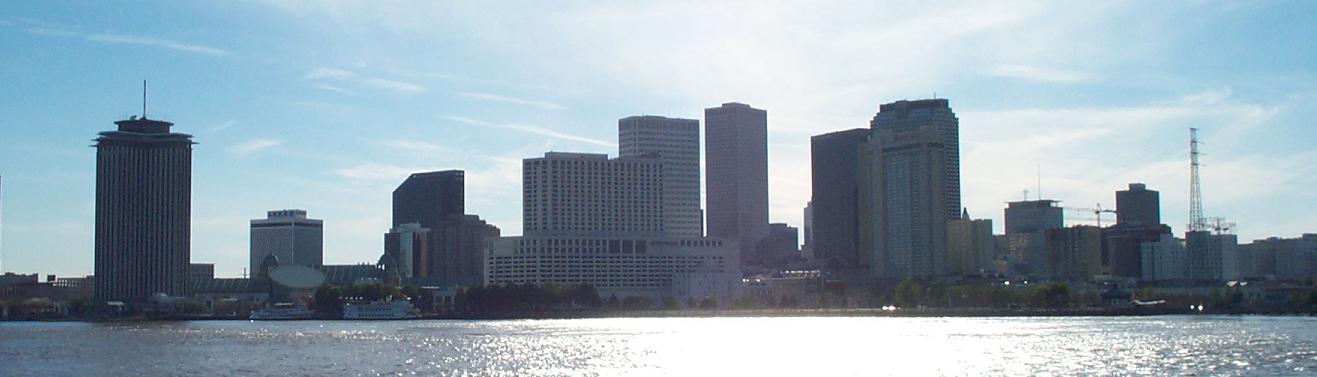
Photo: Justin Watt · Public domain

Travel Tips

New Orleans Travel Tips: Everything You Need to Know

Practical New Orleans travel tips: best time to visit, safety, getting around by streetcar and RTA, the airport, budgeting, tipping, and what to pack.

These New Orleans travel tips are built for real trips, not postcards.

New Orleans is a low-lying, deeply musical city curled inside a bend of the Mississippi River, famous for its Creole and Cajun cooking, its brass bands and jazz clubs, its French Quarter balconies, and a walkable historic core where a lot of the best moments are unplanned.

Whether you have a long weekend or a full week, understanding a few local rhythms, the summer heat and hurricane season, the neighborhood layout, and the way the St. Charles streetcar rolls out toward the Garden District, will save you time, money, and frustration.

The city takes some getting used to because it does not follow a tidy compass grid. Locals give directions by the water, not by north and south: things are lakeside or riverside, and uptown or downtown, and the streets curve to follow the river's crescent.

The good news is that the tourist core is compact and flat. The French Quarter, the Central Business District, and the streetcar line up the edge of the Garden District cover most first visits, and it is hard to stay lost for long.

Below you'll find season-by-season timing, honest safety guidance, how to move around without a car, logistics for Louis Armstrong International Airport, realistic budgeting, tipping norms, and a packing list tuned to a city that is warm, humid, and prone to a sudden afternoon downpour.
Currency
US Dollar ($)
Language
English
Getting around
Walkable + historic streetcars
Tipping
18-20% at restaurants
Safety
Generally safe, stay area-aware
Best time to visit
Feb-May & Oct-Nov

Good to Know

🧭GetYourGuide / Stay22, plan & book your trip. Affiliate slot (stub).

Currency & Language

The currency is the US dollar and the language is English, with a strong French and Creole heritage still echoing in place names, plus Spanish and Vietnamese widely spoken across neighborhoods. Cards and mobile payments are accepted almost everywhere, from streetcars to po'boy shops, though a little cash helps for tips, street musicians on Royal Street, and small vendors at second lines and festivals.

Transit Card & Payment

The RTA runs buses, the historic streetcars (St. Charles, Canal, Riverfront, and Rampart lines), and the Algiers ferry. Pay with the Le Pass app or an RTA card, or drop exact cash on board. A single ride is inexpensive, but a Jazzy Pass day pass quickly pays off if you plan to ride the streetcars more than a couple of times.

Tipping Norm

Tipping is expected in the US. Standard is roughly 18 to 20% at sit-down restaurants, a dollar or two per drink at bars, 15 to 20% for rideshare and taxis, and a couple of dollars per bag for hotel bags or per night for housekeeping. Counter-service tip screens are optional; tip what feels fair for the service, and remember street performers appreciate cash.

Layout & Orientation

Locals rarely use north or south. Directions here are lakeside (toward Lake Pontchartrain), riverside (toward the Mississippi), uptown (upriver), and downtown (downriver), because the city curves with the river's bend, hence the nickname Crescent City. The French Quarter's tidy grid runs from Canal Street, making it easy to judge walking distances between the Quarter, the CBD, and the Marigny.

Best Time to Visit: New Orleans Travel Tips by Season

New Orleans runs on its own subtropical clock, and the season you choose shapes the whole trip.

Spring is the marquee window, with Mardi Gras, French Quarter Fest, and Jazz Fest stacking the calendar, mild weather, and the city at its most electric, but also the biggest crowds and steepest hotel rates.

Fall settles into pleasant, easygoing days once the early-season hurricane risk fades, a favorite of many travelers. Summer is genuinely hot and humid with afternoon storms and peak hurricane season, yet it brings the lowest prices and thinner crowds if you plan around the heat.

Winter stays mild and atmospheric, with holiday lights and Carnival building toward the big parades. Think about what you want, parades and festivals, or lower prices and breathing room, and time accordingly.

  • Spring (February to May)

    The high season and the city at full tilt. Mardi Gras, French Quarter Fest, and Jazz Fest fill the calendar under mostly mild, comfortable skies. Expect the biggest crowds and top hotel prices, especially around Carnival. Book lodging and marquee restaurants like Commander's Palace well ahead.

  • Fall (September to November)

    Arguably the best all-around window once peak hurricane season eases: warm days cooling into pleasant evenings, softer crowds, and events like Voodoo Fest and Halloween in the Quarter. Great for courtyard dining and long walks through the Garden District. Rates ease compared with spring.

  • Summer (June to August)

    Hot, humid, and prone to sudden afternoon thunderstorms, with peak hurricane season running through fall. It rewards flexible travelers with the lowest prices and thinner crowds. Plan indoor and evening activity, hydrate, and keep an eye on the tropical forecast when booking.

  • Winter (December to February)

    Mild by most standards, occasionally chilly and damp, but rarely harsh. Holiday lights, Réveillon dinners, and the early build toward Carnival make it festive. Low-season lodging deals appear before Mardi Gras ramps up. Pack layers and a light rain jacket for cool, wet spells.

  • Riverfront and City Park

    Spring and fall are prime for the Mississippi Riverfront, the Crescent Park promenade, and City Park's oaks and sculpture garden. Mornings are calmer and cooler; midday summer heat is brutal. This is where the city feels most walkable and outdoorsy without the crowds.

  • Festival Season

    New Orleans crowns its calendar with Mardi Gras, French Quarter Fest, and Jazz Fest, plus smaller neighborhood second lines and street parties year-round. Many events are free or donation-based, with ticketed headliners. Check dates early, as Carnival and Jazz Fest shift year to year.

  • Holiday Season in the Quarter

    Late November through December brings Celebration in the Oaks in City Park, Réveillon menus, caroling in Jackson Square, and glowing balconies across the French Quarter. It's festive and photogenic in the mild cool, and a strong reason to consider a winter visit if you lean into the season.

  • Shoulder-Season Value

    Late summer into early fall, and the quieter stretches of winter before Carnival, generally offer the best balance of availability and lower prices. If your dates are flexible and you don't need festival crowds, these windows stretch a budget furthest.

  • Avoiding Peak Crowds

    Weekdays beat weekends in the French Quarter, and early mornings beat the afternoon rush on Bourbon and Frenchmen. Mardi Gras, Jazz Fest, and big convention weeks spike hotel prices citywide, so check the event calendar before locking in dates.

Is New Orleans Safe? Honest New Orleans Travel Tips on Safety

New Orleans's reputation often outruns the reality visitors experience. The neighborhoods where tourists spend nearly all their time, the French Quarter, the Central Business District, the Warehouse District, the Garden District, Uptown along St.

Charles, Magazine Street, and the Marigny around Frenchmen Street, are generally safe with normal urban awareness. Like any large city, it has areas with higher crime that simply aren't on a typical itinerary.

The most common issues travelers actually face are opportunistic: pickpocketing in crowds, phone snatching, and car break-ins, not the headline crimes.

Use standard big-city habits, stay aware, secure valuables, stick to lit and busy streets at night, and you'll likely have a smooth, uneventful trip.

  • Tourist Core Awareness

    The French Quarter, the CBD, and the popular Uptown and Garden District streets are well-trafficked and patrolled. Walking these areas day and evening is routine. As anywhere, stay more alert late at night and in empty, poorly lit stretches.

  • Watch for Pickpockets

    Crowded bars, second lines, and tourist magnets like Bourbon Street and Jackson Square draw pickpockets. Keep phones and wallets in front pockets or zipped bags, don't set phones on tables at bars, and stay conscious of your belongings in packed spaces.

  • Bourbon Street After Dark

    Bourbon and the surrounding blocks get loud, crowded, and heavily lubricated late at night. Pace your drinking, keep an eye on your group, and be ready for petty theft and the occasional flare-up in the densest crowds.

  • Car Break-Ins

    If you drive, never leave anything visible in a parked car, bags, electronics, even chargers invite smash-and-grabs. Use secured garages where possible. This is the single most common property crime visitors encounter.

  • Rideshare Verification

    Confirm the license plate, car, and driver name before getting in, especially at the airport and busy nightlife zones where fake drivers occasionally trawl. Ride from the official pickup areas at Louis Armstrong New Orleans International.

  • Stick to Busy Streets

    At night, favor active, well-lit commercial streets over quiet residential shortcuts or dark stretches. Walking a block over to Decatur, Royal, or Frenchmen usually keeps you on a busier, better-lit route.

  • Know Your Neighborhood

    New Orleans changes character block by block. A quick check of where you're headed after dark is smart, particularly on the edges of the Bywater, the Seventh Ward, and parts of Central City, which are mostly outside typical tourist routes anyway.

  • Emergency Number

    Dial 911 for police, fire, or medical emergencies; 311 handles non-emergency city services and questions. Save your hotel's address for quick reference, and note that the French Quarter has a visible police and security presence.

  • Weather as a Safety Factor

    In summer, brutal heat and humidity are the real hazards, hydrate and take breaks in the shade or air conditioning. Watch for sudden downpours and street flooding, and note that hurricane season runs June through November. The Mississippi River is fast and dangerous; never swim in it.

Getting Around New Orleans: Transit Travel Tips (Streetcars, RTA, Walking)

New Orleans is one of the easiest US cities to explore without a car, thanks to the RTA's historic streetcars and buses, a compact walkable core, and a river ferry. The streetcar is the backbone, with named lines that thread from the Central Business District out along St.

Charles Avenue, Canal Street, and the riverfront. Buses fill the gaps, reaching neighborhoods the rails don't. For payment, use the Le Pass mobile app or buy a Jazzy Pass; a day or multi-day pass pays off quickly if you'll ride a lot.

Add in walking the French Quarter and the occasional rideshare or bike share, and you can cover most of the tourist map efficiently and cheaply.

  • The Streetcar Lines

    Four historic lines run through the core: St. Charles, Canal Street, Riverfront, and Rampart-St. Claude. The vintage green cars on St. Charles are a joy in themselves. Streetcars are the classic, scenic way to link the CBD, Garden District, and City Park.

  • Jazzy Pass & Le Pass App

    Tap and go with the Le Pass mobile app, or buy a reloadable Jazzy Pass at machines and vendors. Single fares are flat and inexpensive; a 1-day or 3-day pass pays off fast if you take several streetcar or bus rides in a day.

  • RTA Buses

    The bus network is dense and reaches places the streetcars don't, including Mid-City, Bywater, and Uptown side streets. Use a transit app for real-time arrivals. Buses are great for short hops and neighborhoods off the rail lines.

  • The St. Charles Avenue Line

    The oldest continuously operating streetcar line in the world rolls past oak-lined Uptown mansions and the Garden District. Riding the vintage 1920s cars end to end is a cheap, iconic way to see the grandest stretch of the city.

  • Walking the French Quarter

    The Quarter is a tight, flat thirteen-by-six block grid, so walking is intuitive and rewarding. Much of the tourist core, from Jackson Square and Royal Street to Bourbon and the French Market, connects on foot in comfortable stretches.

  • The Riverfront & Moonwalk

    A pedestrian path along the Mississippi River links Woldenberg Park and the Moonwalk to the edge of the French Quarter, past the Aquarium and cafes. It's a scenic, car-free way to move along the water and catch the breeze.

  • Blue Bikes

    The city's bike-share system has stations across the Quarter, CBD, and many neighborhoods, with pedal and electric bikes. The flat terrain and the Lafitte Greenway make cycling an easy, fun way to cover ground between sights.

  • Rideshare & Taxis

    Uber, Lyft, and traditional taxis are everywhere. Handy for late nights, luggage, or reaching spots off transit, though surge pricing spikes during festivals and Mardi Gras. Taxis are easy to find around the Quarter and hotels.

  • Amtrak & Day Trips

    Amtrak trains leave the Union Passenger Terminal for destinations across the region on a separate fare system. Most visitors won't need it, but it's useful for day trips beyond the city or reaching spots along the Gulf Coast.

  • Transit Apps

    The Le Pass app plus real-time trackers show streetcar and bus arrivals and help you plan connections. They make the system far less intimidating and prevent long waits at stops in the summer heat.

  • The Algiers Ferry

    The Canal Street ferry crosses the Mississippi to Algiers Point, a quick ride with skyline views and a walkable historic neighborhood on the far bank. It carries pedestrians and cyclists and is a fun, cheap little excursion in itself.

Do You Need a Car in New Orleans? Practical Travel Tips

For most New Orleans visits, the honest answer is no, and a car can actively make your trip harder. The French Quarter's narrow one-way streets are cramped and slow, parking is expensive and tightly restricted, and much of the tourist core simply isn't built for driving.

The Quarter, the Marigny, the Garden District, and the CBD are all well-served by streetcars, buses, walking, and rideshare, so a car mostly becomes an idle expense sitting in a pricey lot.

Where a car does make sense is for day trips beyond the city, families with lots of gear, or itineraries that reach out into the bayou and plantation country. If that's you, consider renting only for the days you actually need it rather than for the whole stay.

  • Skip It in the Quarter

    In the French Quarter and nearby neighborhoods, a car is more liability than asset, tight one-ways, pedestrian crowds, and parking hunts eat time and money. Streetcars and walking cover this zone better and cheaper.

  • Parking Is Pricey

    Quarter and CBD garages and metered street parking run expensive, and hotels often add a daily parking fee on top of the room. Factor this in, it can quietly become one of your bigger trip costs.

  • Permit and Tow Zones

    Many blocks are residential-permit only or restricted for parades and events, and enforcement is brisk. Reading the signs carefully matters, a wrong guess here can mean a tow and a costly retrieval.

  • When a Car Helps: Day Trips

    For excursions to the River Road plantations, swamp tours, or Cajun country around Lafayette, a rental unlocks flexibility. Renting just for those days keeps costs down versus holding a car all week.

  • Families and Gear

    Traveling with young kids, car seats, and lots of luggage can make a car more appealing for certain legs. Weigh that against parking hassles; sometimes rideshare for specific trips beats a full rental.

  • Rent at the Airport Only If Needed

    If you do rent, picking up and dropping at Louis Armstrong International keeps you out of the dense center. But if the car sits unused near the Quarter, you're paying twice, for the rental and the parking.

  • Causeway and Bridge Tolls

    Some routes out of town, like the Lake Pontchartrain Causeway, carry tolls; rental cars may bill these afterward with added fees. Understand the toll setup before you drive to avoid surprise charges.

  • Rain and Storm Season

    Heavy downpours can flood low streets quickly, and hurricane season runs summer into fall. Unless you specifically need a car, visitors are usually better off on streetcars and rideshare when the weather turns.

From Louis Armstrong Airport: Arrival Travel Tips

New Orleans is served by one major airport, Louis Armstrong New Orleans International (MSY), about 15 miles west of downtown in Kenner. Unlike some cities there is no rail link, so your choices are bus, taxi, rideshare, or shuttle.

The cheapest option is public transit: the RTA's 202 Airport Downtown Express runs into the Central Business District, while Jefferson Transit's E-2 bus follows a longer local route along Airline Drive and Tulane Avenue.

Official taxis charge a flat fare to the CBD and French Quarter, predictable and simple with luggage.

Rideshare and shuttles operate from clearly marked zones at the terminal, costing more but offering door-to-door convenience, handy with heavy bags, late arrivals, or a group splitting the fare.

  • RTA 202 Airport Express

    The Regional Transit Authority's 202 Airport Downtown Express is the budget pick, running from MSY to the Central Business District for a low flat fare. It skips most local stops, so it's quicker than the parish bus and leaves you within reach of the French Quarter.

  • Jefferson Transit E-2 Bus

    Jefferson Transit's E-2 follows Airline Drive and Tulane Avenue into the city, a cheap if slower option with many stops. It's useful if you're staying in Mid-City or want to connect to a streetcar along the way.

  • Rideshare Pickup Zones

    Uber and Lyft use a designated pickup area at the terminal, follow the signage rather than lingering at the arrivals curb. Fares run well above the bus, more so during surge, but you get door-to-door service.

  • Taxis

    Official taxis charge a flat rate to the CBD and French Quarter for one or two passengers, with a set per-person rate for larger groups. They queue at the terminal around the clock, pricier than the bus but predictable and simple with luggage or a family.

  • MSY International Arrivals

    Louis Armstrong handles customs and immigration for international flights; allow extra time on arrival and expect a walk through the concourse to baggage claim. Signage points clearly to ground transportation and the ride pickup zones.

  • The New Terminal

    The terminal that opened in 2019 sits on the north side of the airfield with three concourses under one roof. Ground transport, rental cars, and rideshare are organized around it, so give yourself a little time to find the right pickup level.

  • Luggage & the Bus

    The 202 and E-2 buses are fine with a carry-on or modest bag; with several large suitcases or a group, weigh the ease of a flat-rate taxi. Buses can fill up and have limited room for bulky bags.

  • Late-Night Arrivals

    Bus service thins out late at night, so for red-eye or delayed flights plan on a taxi or rideshare instead. Both wait at the terminal around the clock, a genuine advantage after the last express bus has run.

  • Shared Shuttles

    Shared-ride shuttle vans serve the airport and drop at hotels for a fixed fare. They're slower with multiple stops but can beat a solo taxi on price for certain CBD and French Quarter hotels.

  • RTA Fares & Jazzy Pass

    Pay the bus fare with exact change, or use the Le Pass app or a Jazzy Pass day ticket loaded ahead of time. A one-day pass can pay off if you plan to ride streetcars and buses once you're in town.

Costs & Budget: Money-Saving New Orleans Travel Tips

New Orleans can flex to almost any budget. It's less punishing than the priciest coastal cities, but French Quarter hotels, marquee attractions, and dining out still add up fast.

The biggest levers are lodging (shoulder-season and neighborhood stays cost far less than peak French Quarter rooms during festivals), transit versus rideshare (streetcars and buses save real money), and how you eat (world-class food exists at every price point).

Many of the city's best experiences, the Mississippi riverfront, City Park, historic architecture, free museum days, and second lines, cost little or nothing.

Build a mix: splurge on one or two ticketed highlights, then lean on free and cheap experiences to keep the overall trip in check.

  • Lodging Swings

    Room rates vary enormously by season, day of week, and event calendar. The French Quarter and Central Business District peak around Mardi Gras and Jazz Fest; shoulder seasons and nearby neighborhoods cut costs significantly for similar convenience.

  • Transit Passes Save

    If you'll ride a lot, a Jazzy Pass day or multi-day fare beats paying per trip and dwarfs the cost of frequent rideshares. Leaning on the streetcars and RTA buses is the simplest way to control transport spending.

  • Free Attractions

    Jackson Square and the St. Louis Cathedral exterior, the Moon Walk along the Mississippi, City Park and Audubon Park, and neighborhood exploring are all free. These anchor a budget-friendly itinerary without feeling like a compromise.

  • Free Museum Days

    Several museums offer free or discounted admission days, and the New Orleans Museum of Art is free to Louisiana residents on Wednesdays, check policies before you go. Timing a visit right can turn a ticketed splurge into a free morning.

  • Attraction Bundles

    Multi-attraction passes can pay off if you plan to hit several ticketed sights like the National WWII Museum, cemetery tours, and steamboat cruises. Do the math against your actual list; they only save money if you'll use enough of them.

  • Eat Smart

    New Orleans's food scene spans cheap and legendary, po'boys, red beans and rice, beignets, and neighborhood corner spots deliver big flavor from a few dollars up. Reserve fine dining as the occasional splurge, not the default.

  • Happy Hours & Lunch Specials

    Many restaurants and bars run weekday happy hours and lunch deals that make otherwise pricey spots accessible. Eating your bigger meal midday can meaningfully trim the dining budget.

  • Tax on Purchases

    Sales tax is added at the register, and Orleans Parish's combined rate is on the higher side, including notably steep taxes on prepared food and drinks. Budget a bit above listed menu and shelf prices.

  • Tipping Adds Up

    Remember to build 18–20% tips into your dining and service budget; it's a real, expected line item in the US, not an optional extra. It can add noticeably to a food-heavy trip.

  • Neighborhood Value

    Venturing beyond the tourist core into neighborhoods like the Bywater, Mid-City, or Uptown along Freret Street stretches money on food and drink while showing you a more local New Orleans.

Tipping in New Orleans: Etiquette Travel Tips

Tipping in the US is customary and, for many service workers, a core part of their income, so it's expected rather than optional in most sit-down and personal-service settings.

New Orleans follows standard American norms, and with its deep restaurant, bar, and live-music culture you'll encounter plenty of moments to tip. At full-service restaurants, plan on roughly 18–20% of the pre-tax total, more for exceptional service.

Bartenders, taxi and rideshare drivers, hotel staff, tour guides, and salon workers are all customarily tipped. Counter-service and takeout tip prompts are more discretionary, tip modestly or not, as you see fit.

When in doubt, err toward tipping; undertipping in the US reads as a pointed statement, not a small oversight.

  • Restaurants (Sit-Down)

    Roughly 18–20% of the pre-tax bill is standard, scaling up for great service or large parties. Landmark spots like Commander's Palace or Antoine's may add an automatic gratuity for big groups, check the bill so you don't tip twice.

  • Bars

    Tip about $1–2 per drink, or 15–20% on a tab. On Frenchmen Street or in a French Quarter cocktail bar, a dollar a beer or a couple of dollars for a Sazerac keeps the bartender happy and often improves the next round's service.

  • Taxis & Rideshare

    Around 15–20% for taxis; rideshare apps prompt a tip in-app, where a similar range or a few dollars is typical. Extra for help with heavy luggage is a nice touch.

  • Hotel Housekeeping

    Leave a few dollars per night, ideally daily since staff rotate. A small note with the cash makes clear it's a tip. It's easy to forget but genuinely appreciated.

  • Hotel Bellhops & Valet

    A couple of dollars per bag for bell staff and a similar amount when a valet retrieves your car are customary. Doormen who hail cabs or handle luggage warrant a small tip too.

  • Food Delivery

    Tip delivery drivers roughly 15–20% or a few dollars minimum, more in bad weather or for a long distance. Delivery apps prompt at checkout; a fair tip speeds and improves service.

  • Tours & Guides

    For French Quarter walking, cemetery, swamp, or bike tours, tipping the guide is customary, a few dollars per person for a group tour, more for private or exceptional experiences. Free walking tours run entirely on tips.

  • Counter Service

    Tablet tip screens at cafes and takeout counters, from a po'boy shop to Cafe du Monde style stands, are discretionary. Rounding up or a small tip is kind for made-to-order items, but there's no obligation as there is with table service.

  • Salons & Personal Services

    Haircuts, spa treatments, and similar personal services follow the ~18–20% norm. If you're using these during a longer stay, budget for the tip as part of the service cost.

What to Pack for New Orleans: Seasonal Packing Travel Tips

Packing for New Orleans is really packing for heat and humidity, which define the city for much of the year thanks to its subtropical climate near the Gulf.

The single best strategy is light, breathable layers you can shed by midday and add back when the air conditioning indoors runs cold or a spring evening cools off.

Summers are hot, sticky, and prone to sudden afternoon thunderstorms; winters are mild but can turn surprisingly chilly and damp; spring and fall are the sweet spots, though rain can arrive any time.

Beyond weather, prioritize genuinely comfortable walking shoes, you'll cover the French Quarter and beyond on foot over uneven brick and slate sidewalks, and a small daypack for water, a rain shell, and whatever the sky decides to do.

  • Comfortable Walking Shoes

    You'll walk a lot on historic brick and flagstone sidewalks that buckle and tilt, so broken-in, supportive shoes are the most important thing you pack. Save the fashion-first footwear for dinners, not full days out.

  • Breathable Layers

    A light layering system, tee, thin long sleeve, and a packable jacket, handles humid days, frigid indoor air conditioning, and cooler evenings. Layers beat any single heavy item for adapting through a day here.

  • Rain Shell

    A wind-resistant, water-resistant shell earns its place in nearly every season given the city's quick pop-up storms. It blunts a sudden downpour that a sunny morning forecast doesn't warn you about.

  • Cool-Season Outerwear

    For winter visits, bring a warm jacket, a light hat, and a sweater, since damp cold snaps can dip near freezing at night. You won't need serious snow gear, but underdressing on a raw January evening is genuinely uncomfortable.

  • Summer Essentials

    Lightweight, breathable clothing, sunglasses, sunscreen, and a hat for hot, humid days with strong sun. A refillable bottle and a small towel help too. A light layer still matters for cold restaurant and bar interiors.

  • Rain Protection

    A compact umbrella or a packable poncho covers the frequent afternoon showers, especially from June through September. Streets can flood fast in heavy rain, so quick-drying shoes and pants help as well.

  • Daypack

    A small, secure backpack or crossbody carries water, a rain layer, snacks, and souvenirs while keeping hands free for photos and streetcar rides. Choose one with zippers you can keep in front in Bourbon Street crowds.

  • Refillable Water Bottle

    Tap water is safe, and a refillable bottle keeps you hydrated through humid walking days while cutting costs. The heat is deceptive, so drink more than you think you need, especially during festivals.

  • Portable Charger

    Between maps, rideshare apps, contactless payments, and photos, your phone works hard. A power bank keeps it alive through a full day of exploring the Quarter, the Garden District, and beyond.

  • Dressier Outfit

    If you plan a fine-dining night at a Creole classic like Commander's Palace, or jazz at a nicer club, pack one smart-casual outfit. Some rooms lean traditional, though the city is largely relaxed and festive.

Frequently Asked Questions

How many days do you need in New Orleans?

Three to four days suits first-timers, covering the French Quarter, the CBD, a streetcar ride to the Garden District, live music on Frenchmen Street, and a couple of museums. Five or more days lets you dig into food, neighborhoods, and a swamp or plantation day trip.

Is New Orleans walkable for tourists?

The core is very walkable. The French Quarter, the CBD, the Warehouse District, and Frenchmen Street in Marigny all connect on foot over flat ground. The historic streetcar lines and RTA buses cover longer hops to Uptown, City Park, and beyond.

How do I get from the airport into the city?

Louis Armstrong International Airport (MSY) sits about 14 miles west of downtown. A rideshare or taxi to the French Quarter runs roughly 30 to 45 minutes depending on traffic, and the E-2 airport express bus is the budget option into the CBD.

What is New Orleans most famous for food-wise?

New Orleans is famous for gumbo, jambalaya, and crawfish etouffee, plus po'boys, muffulettas, char-grilled oysters, and sugar-dusted beignets with chicory coffee. The scene runs from corner joints to old-line Creole dining rooms at every price point.

What's the best way to experience the local music?

Frenchmen Street in the Marigny is the classic, highly rated stretch of clubs for jazz, funk, and brass. Preservation Hall offers intimate traditional sets, and neighborhood venues plus spring festivals like Jazz Fest are great alternatives.

Do I need to worry about the weather ruining my trip?

Weather and heat matter as much as anything, so plan around them. Summers are hot, humid, and stormy, with hurricane season running June through November, while winters stay mild. Pack light layers and rain gear, and lean on shaded courtyards and indoor venues on soggy days.