Toronto
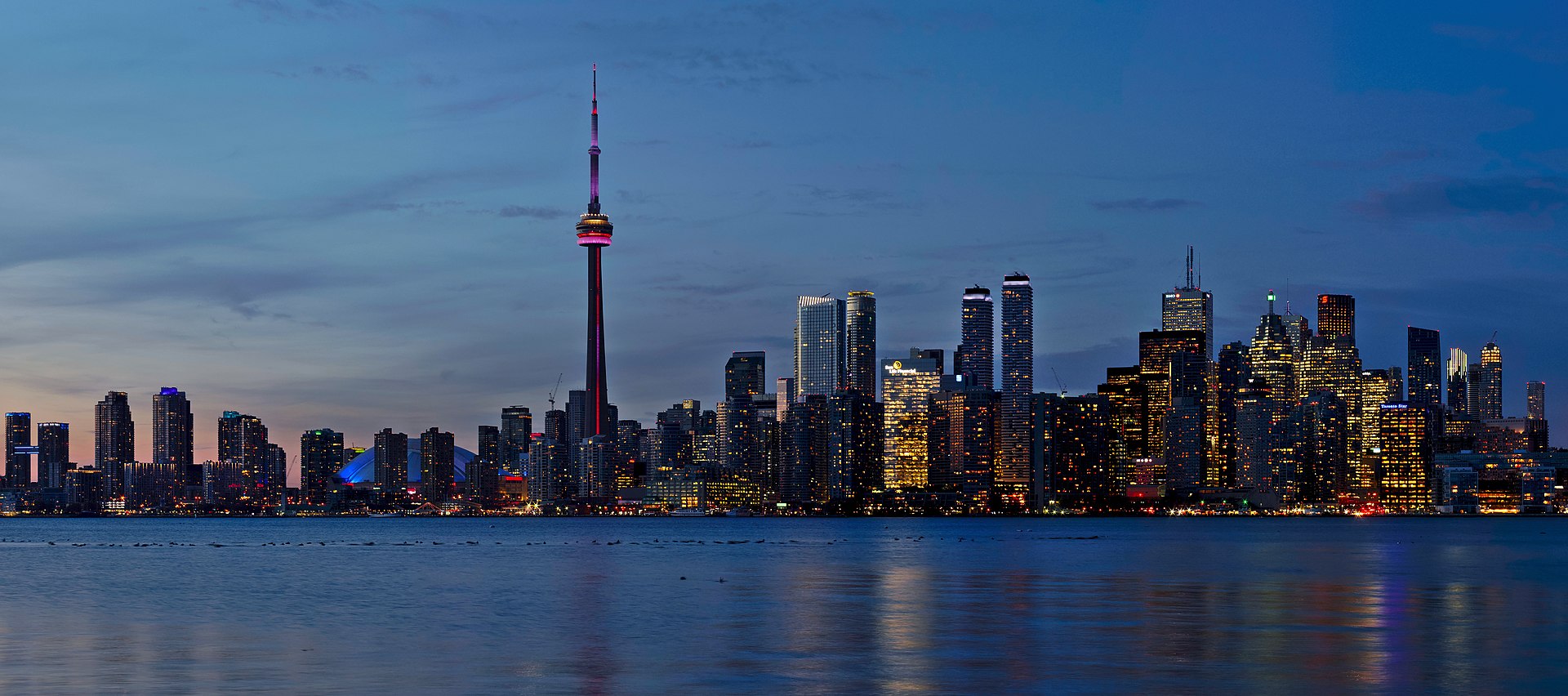
Photo: Jchmrt · CC BY-SA 4.0

Travel Tips

Toronto Travel Tips: Everything You Need to Know

Practical Toronto travel tips: best time to visit, safety, getting around on the TTC subway and streetcars, airports, budgeting, tipping, and what to pack.

These Toronto travel tips are built for real trips, not postcards.

Toronto is a big, fast-growing city on the shore of Lake Ontario, famous for the CN Tower, its ravines and lakefront, one of the most multicultural food scenes on the planet, and a transit network of subways and streetcars that actually gets you where you're going.

Whether you have a long weekend or a full week, understanding a few local rhythms, the weather swings, the neighbourhood layout, the way the streetcars thread downtown, will save you time, money, and frustration.

The city is organized in a way that's unusually easy to grasp.

Yonge Street runs north to south as the spine of the grid and splits addresses into east and west, so most numbers count outward in a predictable way, and much of the tourist core sits within a walkable, transit-friendly band between Union Station and the lake.

That makes Toronto forgiving for first-timers: you can improvise, get a little lost, and still find your way back.

Below you'll find season-by-season timing, honest safety guidance, how to move around without a car, airport logistics for both Pearson and Billy Bishop, realistic budgeting, tipping norms, and a packing list tuned to a city where the weather can change in an afternoon.
Currency
Canadian Dollar (C$)
Language
English
Getting around
Walkable + TTC subway & streetcars
Tipping
18-20% at restaurants
Safety
Generally safe, stay area-aware
Best time to visit
May-Jun & Sep-Oct

Good to Know

🧭GetYourGuide / Stay22, plan & book your trip. Affiliate slot (stub).

Currency & Language

The currency is the Canadian dollar and the language is English, with Cantonese, Mandarin, Punjabi, Italian, and many others widely spoken across neighbourhoods. Cards and mobile payments are accepted almost everywhere, from streetcars to roti shops, though carrying a little cash helps at small vendors, weekend markets, and for tips. Contactless works on transit.

Transit Card & Payment

The TTC runs buses, streetcars, and the subway. Use the PRESTO system: buy a PRESTO card, load value, or simply tap a contactless credit/debit card or phone at faregates and vehicle readers. PRESTO also covers GO Transit and regional buses. A day pass is worth it if you'll ride several times; single fares include free transfers within two hours.

Tipping Norm

Tipping is expected in Canada. Standard is roughly 15 to 20% at sit-down restaurants, a dollar or two per drink at bars, 15 to 20% for rideshare and taxis, and a couple of dollars per bag for hotel bags or per night for housekeeping. Counter-service tip screens are optional; tip what feels fair for the service.

Layout & Orientation

Downtown is anchored by the Financial District and the CN Tower on the waterfront. Lake Ontario is always south, so you can orient yourself instantly. Yonge Street is the dividing line for east and west addresses, running straight north from the lake, handy for judging walking distances between neighbourhoods.

Best Time to Visit: Toronto Travel Tips by Season

Toronto is a four-season city with real extremes, and the season you pick shapes the whole trip. Summer is peak, long days, festivals, packed patios, and the waterfront in full swing, but also the biggest crowds and highest hotel rates.

Late spring and early fall are the sweet spots for many travelers: comfortable temperatures, thinner crowds, and the city outdoors without the summer premium.

Winter is genuinely cold and snowy off the lake, yet it delivers holiday lights, cozy interiors, and low-season deals if you pack right. Think about what you want, beaches and street fests, or museums and lower prices, and time accordingly.

  • Summer (June to August)

    The high season. Warm to hot, humid days, long evenings, and the waterfront alive with beaches, ferries, and bikes. Expect the biggest festivals, busiest attractions, and top hotel prices. Book major events and popular restaurants ahead, and plan around heat and humidity midday.

  • Fall (September to October)

    Arguably the best all-around window: crisp, comfortable weather, golden light, and lively but manageable crowds. Great for ravine and neighbourhood walks, harbour views, and dining out. Layers matter as evenings cool. Rates ease compared with peak summer, though TIFF week spikes them.

  • Spring (April to May)

    Shoulder season with real variability, sunny and mild one day, gray and blustery the next. Patios and outdoor programming ramp up as the city thaws and High Park's cherry blossoms draw crowds. Fewer visitors and softer prices reward flexible travelers who pack for changeable conditions.

  • Winter (December to February)

    Cold, often snowy, sometimes icy, but atmospheric. Holiday markets, ice skating, warm museums, and low-season lodging deals. Dress in serious layers with a windproof coat. Indoor attractions like the ROM and hearty food shine when the wind off the lake bites.

  • Waterfront in Summer

    The Martin Goodman Trail along the harbour is at its best in warm months for walking, running, and cycling, with the Toronto Islands beaches a short ferry away. Mornings are calmer; afternoons and weekends draw crowds. This is where the city feels most alive and outdoorsy.

  • Festival Season

    Summer stacks the calendar with music, food, and neighbourhood street festivals nearly every weekend, plus the Toronto Caribbean Carnival in late July and early August. Many are free or donation-based, ticketed for headliners. They're a great free-leaning way to sample local culture, check dates, as they shift year to year.

  • Holiday Season Downtown

    Late November through December brings the Cavalcade of Lights, the Distillery District's Winter Village, window displays, and skating at Nathan Phillips Square. It's festive and photogenic despite the cold, and a strong reason to consider a winter visit if you lean into the season rather than fight it.

  • Shoulder-Season Value

    April to May and late September to October generally offer the best balance of decent weather, real availability, and lower prices. If your dates are flexible and you don't need beach heat, these windows stretch a budget furthest.

  • Avoiding Peak Crowds

    Weekdays beat weekends at marquee attractions like the CN Tower, and early morning beats midday. Big convention weeks, TIFF, and major event weekends spike hotel prices citywide, so it's worth checking the event calendar before locking in dates.

Is Toronto Safe? Honest Toronto Travel Tips on Safety

Toronto's reputation as one of North America's safer big cities holds up well for most visitors.

The neighbourhoods where tourists spend nearly all their time, the Financial District, the Entertainment District, Yorkville, the Distillery District, Kensington Market, Queen West, Harbourfront, and the Annex around the University of Toronto, are generally safe with normal urban awareness.

Like any large city, it has areas that see more crime but simply aren't on a typical itinerary. The most common issues travellers actually face are opportunistic: pickpocketing in crowds, phone snatching, and car break-ins, not the headline incidents.

Use standard big-city habits, stay aware, secure valuables, stick to lit and busy streets at night, and you'll likely have a smooth, uneventful trip.

  • Tourist Core Awareness

    Downtown, the waterfront, and the popular midtown and west-end neighbourhoods are well-trafficked and patrolled. Walking these areas day and evening is routine. As anywhere, stay more alert late at night and in empty, poorly lit stretches.

  • Watch for Pickpockets

    Crowded subway cars, festivals, and tourist magnets like the CN Tower and the Eaton Centre draw pickpockets. Keep phones and wallets in front pockets or zipped bags, don't set phones on tables at bars, and stay conscious of your belongings in packed spaces.

  • Transit at Night

    The TTC subway, streetcars, and buses are used by everyone and generally fine. Late at night, ride cars with other people and use the Designated Waiting Areas on subway platforms, which have intercoms and cameras. If a car feels off, move or wait for the next one.

  • Car Break-Ins

    If you drive, never leave anything visible in a parked car, bags, electronics, even chargers invite smash-and-grabs. Use secured garages where possible. This is the single most common property crime visitors encounter.

  • Rideshare Verification

    Confirm the licence plate, car, and driver name before getting in, especially at airports and busy nightlife zones where fake drivers occasionally trawl. Ride from official pickup areas at Pearson and Billy Bishop.

  • Stick to Busy Streets

    At night, favour active, well-lit commercial streets like Yonge, Queen, or King over quiet residential shortcuts or isolated laneways. Toronto's grid usually gives you a busier parallel route within a block or two.

  • Know Your Neighbourhood

    Toronto changes character block by block. A quick check of where you're headed after dark is smart, particularly in a few pockets of the east end and the inner suburbs, which are mostly outside typical tourist routes anyway.

  • Emergency Number

    Dial 911 for police, fire, or medical emergencies; 311 handles non-emergency city services and questions. Save your hotel's address for quick reference, and note that downtown has a visible police and security presence.

  • Weather as a Safety Factor

    In winter, cold and ice are the real hazards, dress for it and watch for slick sidewalks. In summer, hydrate and mind the heat and humidity. Lake Ontario currents can be dangerous; swim only at supervised beaches when the flags allow.

Getting Around Toronto: Transit Travel Tips (TTC, Subway, Streetcars, Walking)

Toronto is one of the easiest big cities in Canada to explore without a car, thanks to the TTC's subway, streetcars, and buses, a compact downtown core, and a largely gridded layout.

The subway is the backbone, with Line 1 (Yonge-University) and Line 2 (Bloor-Danforth) crossing the city and meeting downtown. Iconic red streetcars and a dense bus network fill the gaps, especially along east-west corridors and out to the neighbourhoods.

For payment, tap a contactless card or phone, or use a Presto card; a day pass pays off if you'll ride a lot. Add in walking, Bike Share, and the occasional rideshare, and you can cover the whole tourist map efficiently and cheaply.

  • The Subway System

    Two main lines do the heavy lifting: Line 1 (Yonge-University) loops through downtown in a U shape, and Line 2 (Bloor-Danforth) runs east-west, with the shorter Line 4 up in the north. Service runs from roughly 6 am to 1:30 am, and it's the fastest way to cross town.

  • Presto & Contactless Fares

    Tap a contactless credit/debit card or phone at any turnstile or reader, or buy a reloadable Presto card. Fares are flat and cover a two-hour window with free transfers; a day pass pays off quickly once you take several rides.

  • TTC Streetcars

    Toronto's red streetcars are a city icon and reach places the subway doesn't. The 501 Queen and 504 King routes run through the heart of downtown and are among the busiest surface lines in North America. Board through any door and tap on.

  • TTC Buses

    The bus network is dense and reaches neighbourhoods well off the subway, plus overnight Blue Night routes when the trains stop. Use a transit app for real-time arrivals. Buses are great for short hops and getting to spots the rail lines miss.

  • Walking Downtown

    The core is compact and mostly gridded, with the lake as your southern anchor. Much of the tourist heart, from the Financial District and St. Lawrence Market to the Entertainment District, Kensington Market, and the CN Tower, connects on foot in comfortable stretches.

  • The Waterfront Trail

    The Martin Goodman Trail runs along Lake Ontario, linking the Harbourfront, the Music Garden, and the Beaches with a car-free path past parks, patios, and marinas. It's a scenic, flat way to move along the southern edge of the city in warm months.

  • Bike Share Toronto

    The city's bike-share system has hundreds of stations across downtown and beyond, with classic and electric bikes. Expanding bike lanes and the flat lakefront path make cycling an easy, fun way to cover ground between neighbourhoods.

  • Rideshare & Taxis

    Uber, Lyft, and traditional taxis are everywhere. Handy for late nights, luggage, or reaching spots off transit, though surge pricing and downtown traffic can add up. Cabs are easy to hail or find at hotels and Union Station.

  • GO Transit Commuter Rail

    GO trains and buses reach the suburbs and nearby cities on a separate fare system, radiating out from Union Station. Most visitors won't need them, but they're useful for day trips to places like Niagara Falls or Hamilton beyond the city.

  • Transit Apps

    The Transit app plus TTC's own trip planner show real-time train, streetcar, and bus arrivals and help you plan connections. They make the network far less intimidating and prevent long waits on cold or crowded platforms.

  • PATH System

    PATH is a vast network of underground and enclosed walkways linking the Financial District's towers, transit stations, and malls, letting you move between them without going outside, a small lifesaver in extreme cold, heat, or heavy rain.

Do You Need a Car in Toronto? Practical Travel Tips

For most Toronto visits, the honest answer is no, and a car can actively make your trip harder. Downtown traffic is heavy, parking is expensive and scarce, and arteries like the Gardiner Expressway and Don Valley Parkway routinely crawl at rush hour.

The tourist core and popular neighbourhoods are all well-served by the TTC, walking, and rideshare, so a car mostly becomes an idle expense parked in a pricey garage.

Where a car does make sense is for day trips beyond the city, families with lots of gear, or itineraries that push into far-flung suburbs. If that's you, consider renting only for the days you actually need it rather than for the whole stay.

  • Skip It Downtown

    In the core and nearby neighbourhoods like Kensington Market, Queen West, and the Distillery District, a car is more liability than asset: congestion, one-ways, and parking hunts eat time and money. Transit and walking cover this zone better and cheaper.

  • Parking Is Pricey

    Downtown Green P lots, private garages, and metered street parking run expensive, and hotels often add a daily parking fee on top of the room. Factor this in, it can quietly become one of your bigger trip costs.

  • Traffic Considerations

    The Gardiner Expressway and Don Valley Parkway are notorious for backups, and downtown grids slow to a crawl at peak times. This further tilts the math toward the TTC for getting around the centre.

  • When a Car Helps: Day Trips

    For excursions to Niagara Falls, Niagara-on-the-Lake, Prince Edward County, or Muskoka cottage country, a rental unlocks flexibility. Renting just for those days keeps costs down versus holding a car all week.

  • Families & Gear

    Traveling with young kids, car seats, and lots of luggage can make a car more appealing for certain legs. Weigh that against parking hassles; sometimes rideshare for specific trips beats a full rental.

  • Rent at the Airport Only If Needed

    If you do rent, picking up and dropping at Pearson avoids driving in the dense centre. But if the car sits unused downtown, you're paying twice, for the rental and the parking.

  • Tolls & Highway 407

    Highway 407 ETR is fully electronic with no toll booths; rental cars are typically billed afterward, often with added administrative fees. Understand the toll setup, or just avoid the 407, before you drive to dodge surprise charges.

  • Winter Driving

    Snow, ice, and parking rules (including street-sweeping and snow-clearing restrictions) complicate winter driving. Unless you specifically need a car, cold-season visitors are usually better off on transit and rideshare.

From Pearson & Billy Bishop Airports: Arrival Travel Tips

Toronto has two airports, and the larger one connects to downtown by train, which is a fast and reliable option.

Toronto Pearson (YYZ), to the northwest, is a major international hub served by the UP Express, running every 15 minutes into Union Station in about 25 minutes with no transfer.

Billy Bishop (YTZ), on the Toronto Islands just off the waterfront, is small and remarkably close in, reached through a pedestrian tunnel with moving walkways or a short ferry, then a free shuttle or a streetcar to the core. From either, transit avoids the highway crawl.

Rideshare, taxis, and shuttles are also available at clearly marked pickup areas, costing more but offering door-to-door convenience, handy with heavy luggage, late arrivals, or a group splitting the fare.

  • UP Express

    The UP Express links Pearson's Terminal 1 directly to Union Station, running every 15 minutes with a ride of about 25 minutes, no transfer needed. It's a quick, traffic-proof way in, ideal for solo travelers and anyone wanting a fixed, predictable trip downtown.

  • Billy Bishop Tunnel & Shuttle

    Billy Bishop sits on the islands right off the downtown waterfront, reached by a free pedestrian tunnel with moving walkways or a 90-second ferry. From the mainland terminal a free shuttle bus runs to Union Station, and the 509 and 510 streetcars are a short walk away, making it the closest airport to the core.

  • Rideshare Pickup Zones

    Both airports have designated rideshare pickup areas, follow the signage rather than lingering at arrivals curbs. Costs run well above transit, more so during surge, but you get door-to-door service.

  • Taxis

    Metered and flat-rate taxis queue at both airports for a downtown run. They're pricier than the train but predictable and simple with luggage or a family, and available around the clock at official stands.

  • Pearson International Arrivals

    As a major international gateway, Pearson handles customs and immigration for overseas arrivals across Terminals 1 and 3; allow extra time and expect a walk or airport transit between terminals. Signage clearly points to the UP Express and ground transport.

  • Terminal Link at Pearson

    An automated Terminal Link train connects Pearson's Terminal 1, Terminal 3, and the Viscount parking and car-rental area, running 24 hours and free to ride. Give yourself buffer time to move between them, especially with connections or a rental car pickup.

  • Luggage & Transit

    The train is great with a carry-on or modest bag; with multiple large suitcases or a group, weigh the convenience of a taxi or rideshare. Trains can be crowded at rush hour with bulky bags.

  • Late-Night Arrivals

    The UP Express runs until roughly 1 a.m., so for red-eye or heavily delayed arrivals at Pearson plan on the 300-series Blue Night bus, the 900 Airport Express to Kipling, or a taxi or rideshare. Billy Bishop closes overnight, so late flights land at Pearson.

  • Shared Shuttles

    Shared-ride shuttle vans serve Pearson and drop at hotels for a fixed fare. They're slower with multiple stops but can beat a solo taxi on price for certain downtown hotels.

  • Presto at the Airport

    Tap a contactless card or buy a Presto card before boarding; the UP Express, TTC, and GO all accept it. Note UP Express fares from Pearson run higher than a standard TTC ride, but it's still a reasonable, fast trip into the city.

Costs & Budget: Money-Saving Toronto Travel Tips

Toronto can flex to almost any budget. It's less punishing than the priciest global cities, but downtown hotels, marquee attractions, and dining out still add up fast.

The biggest levers are lodging (shoulder-season and neighbourhood stays cost far less than peak downtown), transit versus rideshare (the TTC saves real money), and how you eat (excellent food exists at every price point).

Many of the city's best experiences, the waterfront, parks, markets, discounted museum hours, and free festivals, cost little or nothing. Build a mix: splurge on one or two ticketed highlights, then lean on free and cheap experiences to keep the overall trip in check.

  • Lodging Swings

    Room rates vary enormously by season, day of week, and convention calendar. Downtown peaks in summer and during big events like TIFF; shoulder seasons and nearby neighbourhoods cut costs significantly for similar convenience.

  • Transit Passes Save

    If you'll ride a lot, a TTC day pass beats paying per trip and dwarfs the cost of frequent rideshares. Leaning on the subway and streetcars is the simplest way to control transport spending.

  • Free Attractions

    Nathan Phillips Square, High Park and its small free zoo, the harbourfront and Trillium Park, Distillery District strolls, and neighbourhood exploring are all free. These anchor a budget-friendly itinerary without feeling like a compromise.

  • Discounted Museum Hours

    Several major museums offer free or discounted admission windows: the AGO runs free Wednesday evenings and the ROM discounts some hours, check policies before you go. Timing a visit right can turn a ticketed splurge into a cheap morning.

  • Attraction Bundles

    A Toronto CityPASS can pay off if you plan to hit several ticketed sights like the CN Tower, Ripley's Aquarium, and the ROM. Do the math against your actual list; passes only save money if you'll use enough of them.

  • Eat Smart

    Toronto's food scene spans cheap and celebrated, peameal bacon sandwiches, roti, dumplings, and neighbourhood spots deliver big flavour from a few dollars up. Reserve fine dining as the occasional splurge, not the default.

  • Happy Hours & Lunch Specials

    Many restaurants and bars run weekday happy hours and lunch deals that make otherwise pricey spots accessible. Eating your bigger meal midday can meaningfully trim the dining budget.

  • Tax on Purchases

    Ontario's 13% HST is added at the register on most goods, dining, and services, so posted prices are not what you actually pay. Budget a bit above listed menu and shelf prices.

  • Tipping Adds Up

    Remember to build 18–20% tips into your dining and service budget; it's a real, expected line item in Canada, not an optional extra. It can add noticeably to a food-heavy trip.

  • Neighbourhood Value

    Venturing beyond the tourist core into areas like Kensington Market, Gerrard India Bazaar, or Scarborough stretches money on food and drink while showing you a more local Toronto.

Tipping in Toronto: Etiquette Travel Tips

Tipping in Canada is customary and, for many service workers, a core part of their income, so it's expected rather than optional in most sit-down and personal-service settings. Toronto follows standard Canadian norms.

At full-service restaurants, plan on roughly 18–20% of the pre-tax total, more for exceptional service. Bartenders, taxi and rideshare drivers, hotel staff, tour guides, and salon workers are all customarily tipped.

Counter-service and takeout tip prompts are more discretionary, tip modestly or not, as you see fit. When in doubt, err toward tipping; undertipping in Canada reads as a pointed statement, not a small oversight.

  • Restaurants (Sit-Down)

    Roughly 18–20% of the pre-tax bill is standard, scaling up for great service or large parties. Some restaurants add an automatic gratuity for big groups, check the bill so you don't tip twice.

  • Bars

    Tip about $1–2 per drink, or 15–20% on a tab. A dollar a beer or a couple of dollars for a cocktail keeps the bartender happy and often improves the next round's service.

  • Taxis & Rideshare

    Around 15–20% for taxis; rideshare apps prompt a tip in-app, where a similar range or a few dollars is typical. Extra for help with heavy luggage is a nice touch.

  • Hotel Housekeeping

    Leave a few dollars per night, ideally daily since staff rotate. A small note with the cash makes clear it's a tip. It's easy to forget but genuinely appreciated.

  • Hotel Bellhops & Valet

    A couple of dollars per bag for bell staff and a similar amount when a valet retrieves your car are customary. Doormen who hail cabs or handle luggage warrant a small tip too.

  • Food Delivery

    Tip delivery drivers roughly 15–20% or a few dollars minimum, more in bad weather or for a long distance. Delivery apps prompt at checkout; a fair tip speeds and improves service.

  • Tours & Guides

    For walking, boat, or bike tours, tipping the guide is customary, a few dollars per person for a group tour, more for private or exceptional experiences. Free walking tours run entirely on tips.

  • Counter Service

    Tablet tip screens at cafes and takeout counters are discretionary. Rounding up or a small tip is kind for made-to-order items, but there's no obligation as there is with table service.

  • Salons & Personal Services

    Haircuts, spa treatments, and similar personal services follow the ~18–20% norm. If you're using these during a longer stay, budget for the tip as part of the service cost.

What to Pack for Toronto: Seasonal Packing Travel Tips

Packing for Toronto is really packing for its weather, which is famously changeable and shaped by Lake Ontario. The single best strategy in any season is layers, you can peel down midday and bundle back up after sunset or when the breeze off the lake picks up.

Summers are warm and humid but can turn cool by the water; winters are cold and snowy and demand serious outerwear; spring and fall swing between the two, sometimes in a single day.

Beyond weather, prioritize genuinely comfortable walking shoes, this is a city you'll cover on foot and by transit, and a small daypack for water, layers, and whatever the sky decides to do.

  • Comfortable Walking Shoes

    You'll walk a lot and stand on the TTC, broken-in, supportive shoes are the most important thing you pack. Sidewalk and streetcar-platform surfaces are hard; save the fashion-first footwear for dinners, not full days out.

  • Layers Year-Round

    A packable layering system, tee, light sweater or fleece, and a jacket, handles the city's swings and the temperature drop near the lake. Layers beat any single heavy item for adapting through a day.

  • Windproof Jacket

    Wind off Lake Ontario is a constant, so a wind-resistant (and ideally water-resistant) jacket earns its place in almost every season. It blunts the chill that a warm forecast doesn't warn you about.

  • Winter Outerwear

    For cold-season visits, bring a serious insulated coat, hat, gloves, scarf, and warm socks, plus footwear with grip for ice and snow. Underdressing for a Toronto winter isn't just uncomfortable, it's a safety issue.

  • Summer Essentials

    Lightweight, breathable clothing, sunglasses, sunscreen, and a hat for hot, humid days and the exposed lakefront. Swimwear if you'll hit the beaches in the Beaches or on the Toronto Islands. A light layer still helps for cooler lakeside evenings.

  • Rain Protection

    A compact umbrella or a rain shell covers the pop-up showers common in spring and summer. The PATH and indoor attractions help, but you'll still get caught outside at some point.

  • Daypack

    A small, secure backpack or crossbody carries water, layers, snacks, and souvenirs while keeping hands free for photos and transit taps. Choose one with zippers you can keep in front in crowds.

  • Refillable Water Bottle

    Tap water is safe, and a refillable bottle keeps you hydrated on long walking days and in summer heat while cutting costs. Many parks and public buildings have fountains and fillers.

  • Portable Charger

    Between transit apps, maps, contactless payments, and photos, your phone works hard. A power bank keeps it alive through a full day out, and cold weather drains batteries faster in winter.

  • Dressier Outfit

    If you plan a fine-dining night, a rooftop bar, or a show in the Entertainment District, pack one smart-casual outfit. Toronto's high-end venues appreciate a step up from sneakers and shorts, though the city is largely relaxed.

Frequently Asked Questions

How many days do you need in Toronto?

Three to four days suits first-timers, covering the CN Tower, the waterfront, Kensington Market, St. Lawrence Market, the Distillery District, and a museum or two. Five or more days lets you explore food and day trips like Niagara Falls.

Is Toronto walkable for tourists?

Very walkable. Downtown, the waterfront, the Financial District, and the Entertainment District all connect on foot via a flat, logical grid. The subway and streetcars cover longer hops between neighbourhoods.

Which airport is better, Pearson or Billy Bishop?

It depends on your flight. Pearson (YYZ) is the larger international hub with far more routes and the 25-minute UP Express train to Union Station; Billy Bishop (YTZ) is a smaller downtown island airport for regional flights, reached by a short ferry or tunnel.

What is Toronto most famous for food-wise?

Toronto is famous for the peameal bacon sandwich, plus poutine, butter tarts, and an unmatched global range from Chinatown, Little India, Greektown, and Little Italy to fine dining at every price point.

What's the best way to see Toronto's skyline?

The CN Tower observation deck is the classic, highly rated option. A Toronto Islands ferry for the postcard view, a harbourfront walk, or a Lake Ontario boat cruise are great lower-cost alternatives.

Do I need to worry about the weather ruining my trip?

Weather matters more than crime, so plan around it. Summers are warm and humid, winters cold and snowy, with variable spring and fall. Pack layers, but abundant indoor attractions and the PATH tunnels cover rainy or cold days.